

New York, New Jersey winter weather checklist: How to prepare for snow and ice this weekend
NEW YORK - As snow and icy conditions are expected to move into the New York and New Jersey area this weekend, local forecasters and emergency officials say now is the time to prepare, from stocking up on essentials to planning for potential travel, school and work disruptions.
What we know:
Weather models and forecasts show snow is likely this weekend across the New York City metro area and parts of New Jersey. Some forecasts indicate up to around 2 inches or more of accumulation in and around the city, with snow beginning Sunday afternoon and lingering into the evening.
Temperatures will be cold enough for precipitation to fall as snow, and folks should expect slippery roads and potentially difficult travel once the storm moves in.
RELATED: What is the polar vortex? Why it matters as snow and Arctic cold threaten the Northeast
What to stock at home
Officials recommend having enough supplies to last at least several days in case travel becomes difficult, according to the CDC.
That includes:
- Food that does not require refrigeration or cooking
- Drinking water
- Prescription medications and basic first-aid supplies
- Flashlights, batteries and phone chargers
- Blankets, warm clothing and extra layers
- Baby supplies or pet food if needed
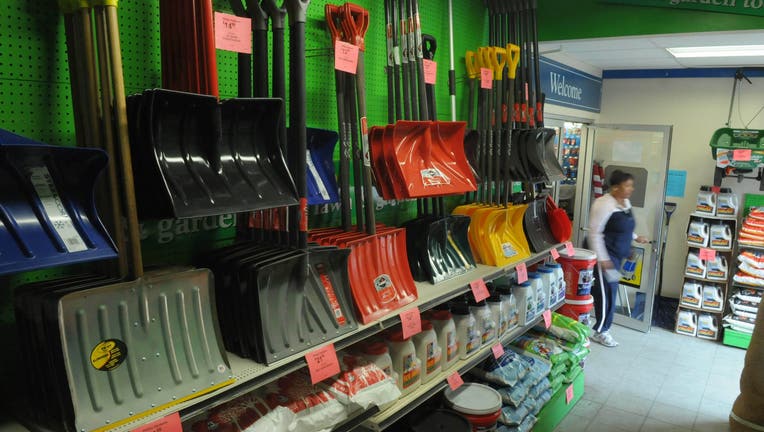
It’s also a good idea to make sure you have rock salt or ice melt and a working snow shovel.
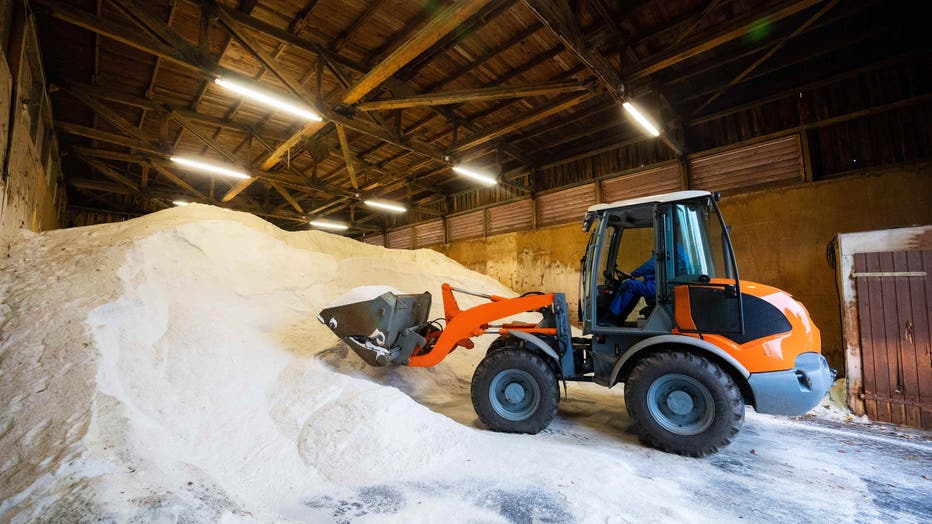
20 November 2024, Lower Saxony, Garbsen: An excavator loads road salt onto its shovel. Photo: Alicia Windzio/dpa (Photo by Alicia Windzio/picture alliance via Getty Images)
Travel prep before snow begins
If you need to drive during or after the storm, preparation is critical.
Before snow arrives:
- Fill up your gas tank
- Check windshield wipers, tires and antifreeze
- Keep an emergency kit in your car with blankets, snacks, water and a flashlight
- Monitor road conditions and weather alerts
Once snow begins, travel can become treacherous quickly, especially on major routes like I-95 and local roads. Officials urge residents to avoid unnecessary travel during and immediately after snowfall.
School and work planning
Snow and icy conditions can lead to delays, early dismissals or closures for schools and some workplaces.
Families are encouraged to:
- Review remote learning or work-from-home plans
- Make childcare arrangements in advance
- Keep an eye on district announcements and employer updates
Planning ahead can help reduce stress if schedules change quickly, according to FEMA.
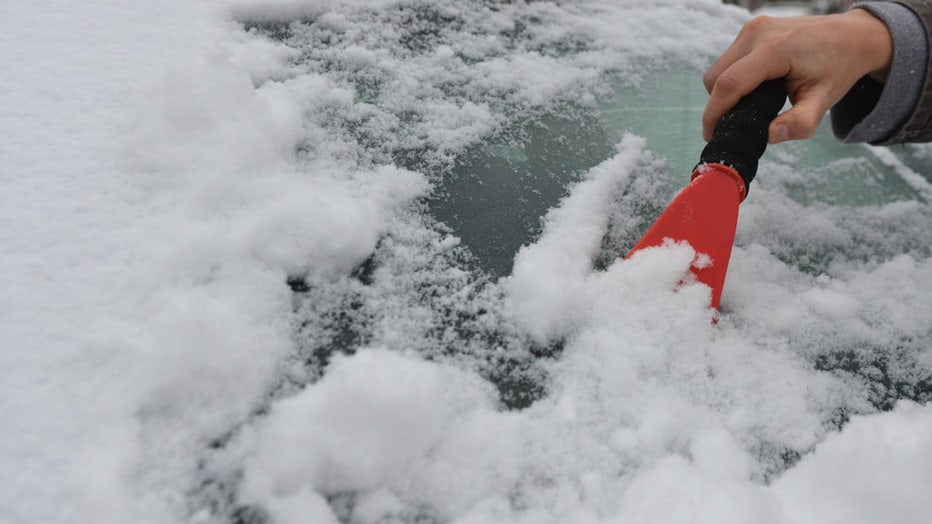
FILE - A young woman scratches snow and ice from the windscreen of her car. (Carmen Jaspersen/picture alliance via Getty Images)
Stay safe during extreme cold and possible power outages
In addition to snow, dangerously cold temperatures can pose serious health risks, especially if power outages occur.
According to FEMA, extreme cold can increase the risk of hypothermia, frostbite, carbon monoxide poisoning and house fires, particularly when people rely on alternative heating sources.
Officials recommend:
- Installing and testing smoke and carbon monoxide detectors on every level of your home
- Keeping anything that can burn at least three feet away from space heaters and fireplaces
- Never using an oven, grill or generator to heat your home
- Using generators only outdoors and at least 20 feet away from doors and windows
If the power goes out and indoor temperatures become unsafe, FEMA advises relocating to a heated community space if one is available.
What we don't know:
The exact total of snow and the duration of impacts depend on the storm’s track and strength. Some models show more snow farther northwest, while others keep totals closer to the I-95 corridor.
Forecasts may change leading up to the event, and officials say conditions can vary widely across the region.
Why you should care:
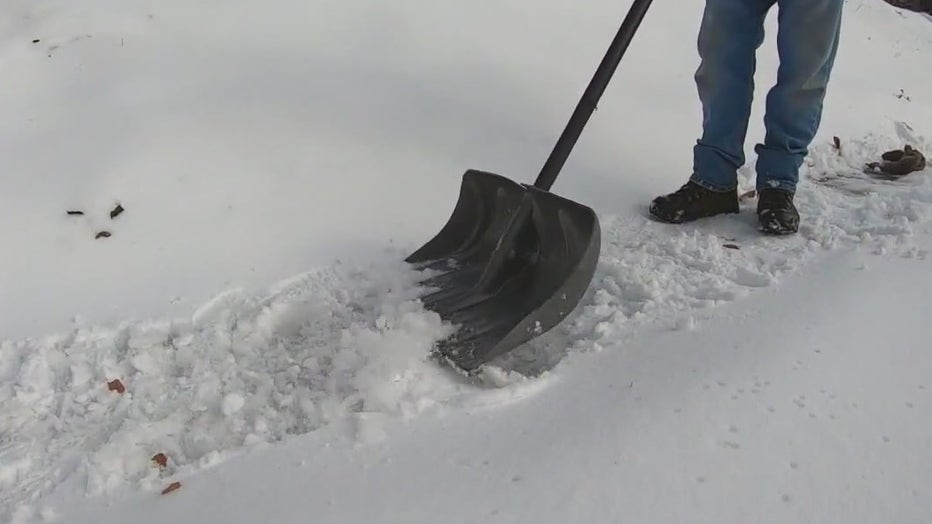
Even a few inches of snow combined with bitter cold and icy conditions can halt travel, disrupt routines and create hazardous conditions, especially during peak travel times.
Preparing now, before stores become crowded and roads become slick, can help you avoid last-minute stress and stay safe through the storm.
What's next:
Residents are encouraged to:
- Monitor updated forecasts from the National Weather Service and FOX 5 NY.
- Sign up for weather and emergency alerts
- Follow guidance from local officials as the storm approaches
The Source: This article was written using information from emergency preparedness guidance issued by the CDC, FEMA and local officials.