

What is a nor’easter and a bomb cyclone? How major East Coast winter storms form
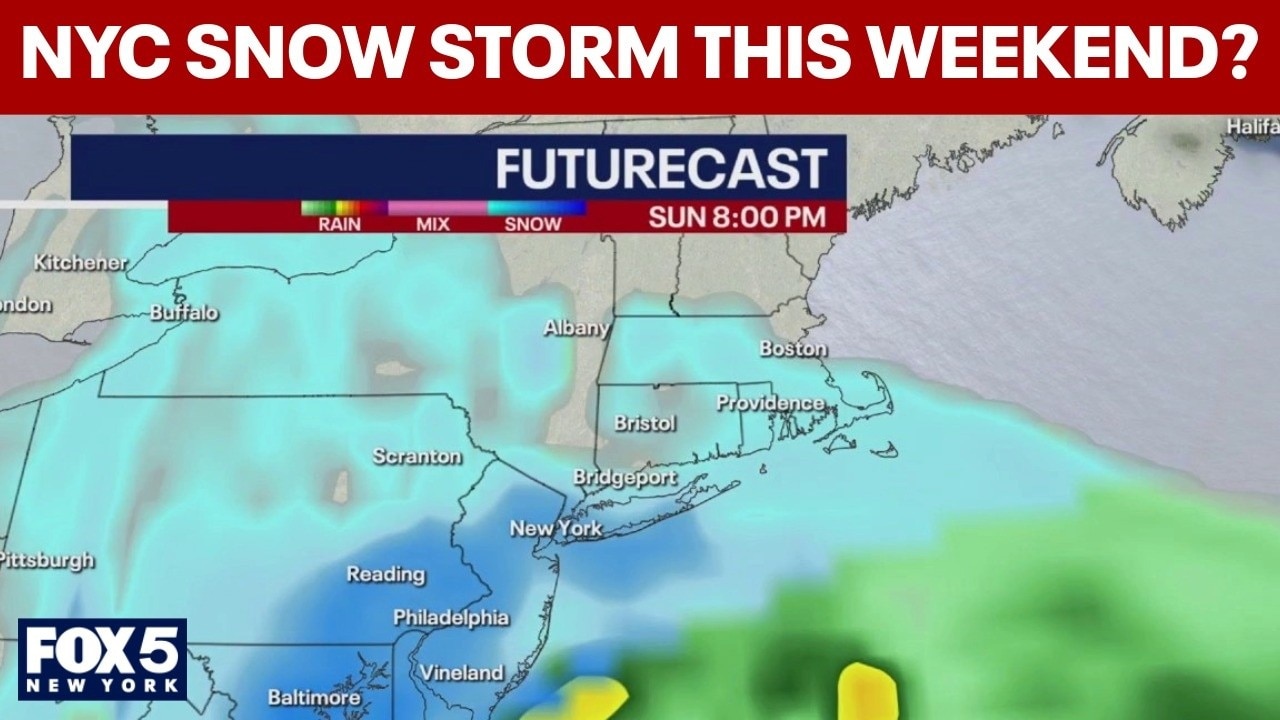
NEW YORK - Forecasters are closely watching a developing system that could affect parts of the East Coast this weekend, and with it has come familiar storm terminology — including nor’easter and bomb cyclone.
Why you should care:
These storms are known for producing some of the region’s most disruptive winter weather, from heavy snow and strong winds to coastal flooding.
JUMP TO: WHAT IS A BOMB CYCLONE? | WHY IT MATTERS NOW
What is a nor’easter?
Dig deeper:
A nor’easter is a type of storm that forms along the Atlantic Coast of North America and typically moves northward or northeastward, according to the National Weather Service. It gets its name from the northeasterly winds that blow along the coast as the storm tracks up the seaboard.
Nor’easters often form when cold air from inland collides with warmer, moist air over the Atlantic Ocean. This clash of air masses can fuel storm development and lead to widespread precipitation. Depending on the track and temperature profile, a nor’easter can bring heavy snow inland, rain and strong winds along the coast, and even coastal flooding and beach erosion.
FIND THE LATEST NY WINTER WEATHER FORECAST HERE
These storms are most common from fall through early spring, and many historically significant winter storms affecting the Northeast, Mid-Atlantic and even the Southeast have been nor’easters.
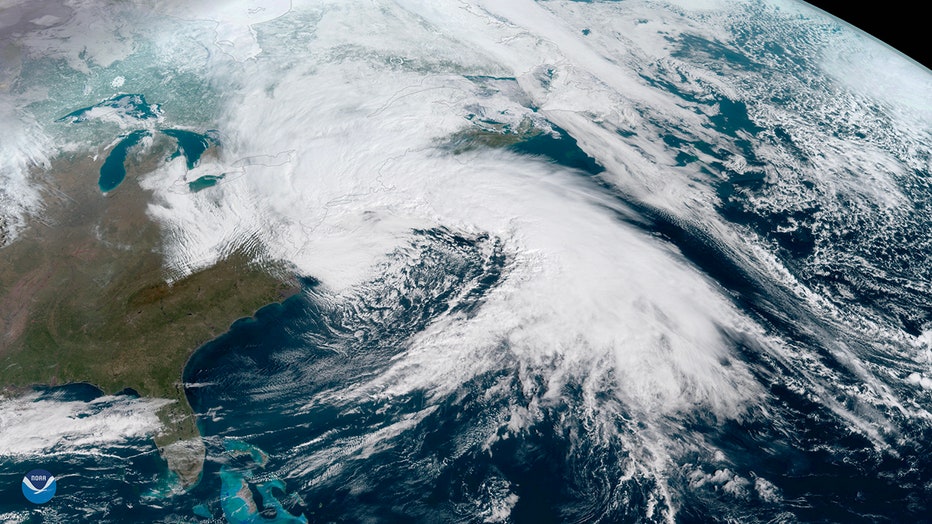
This satellite image shows a powerful nor'easter that brought gale-force winds, rain and snow to the eastern U.S. on March 2, 2018. (NOAA GOES East Satellite Image)
RELATED: What are the biggest snowstorms in NYC area history?
What is a bomb cyclone?
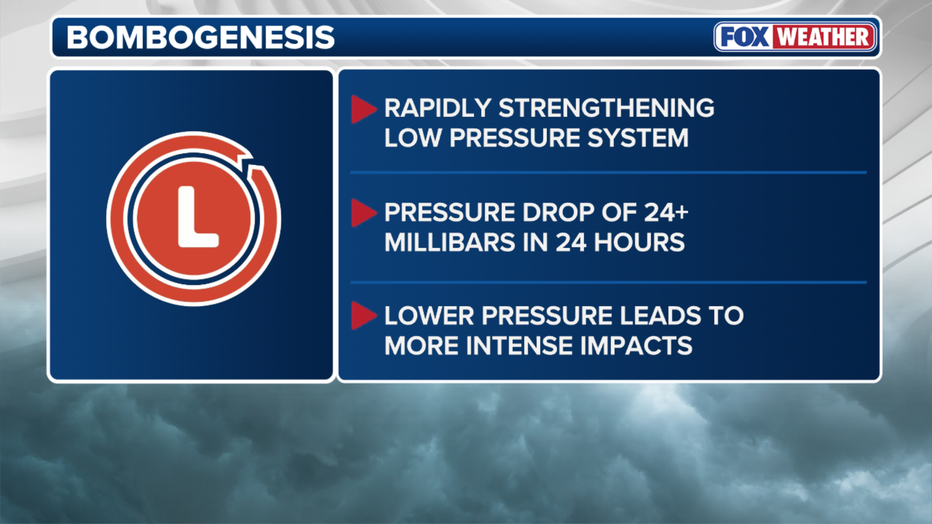
A bomb cyclone isn’t a separate storm type — it’s a storm that undergoes rapid intensification, a process meteorologists call bombogenesis. A storm is generally classified as a bomb cyclone when its central atmospheric pressure drops by at least 24 millibars in 24 hours. This rapid drop signals that the storm is strengthening quickly.
When a storm undergoes bombogenesis, winds can increase, precipitation can intensify, and impacts such as heavy snow or strong coastal winds can become more severe in a short period of time. Bomb cyclones are seen in both winter and non-winter storms, but are notable in the colder months for enhancing snow and wind impacts.
Stay connected with FOX LOCAL. For 24/7 winter storm coverage—Download Now.
How nor’easters and bomb cyclones relate
A nor’easter becomes a bomb cyclone when it strengthens rapidly in the right atmospheric conditions. In other words:
- Nor’easter describes where and how a storm develops — typically off the East Coast with northeast winds.
- Bomb cyclone describes how intensely and quickly that storm gains strength.
So a winter nor’easter can be called a bomb cyclone if it deepens fast enough, potentially leading to stronger winds and heavier precipitation than a more slowly evolving storm.
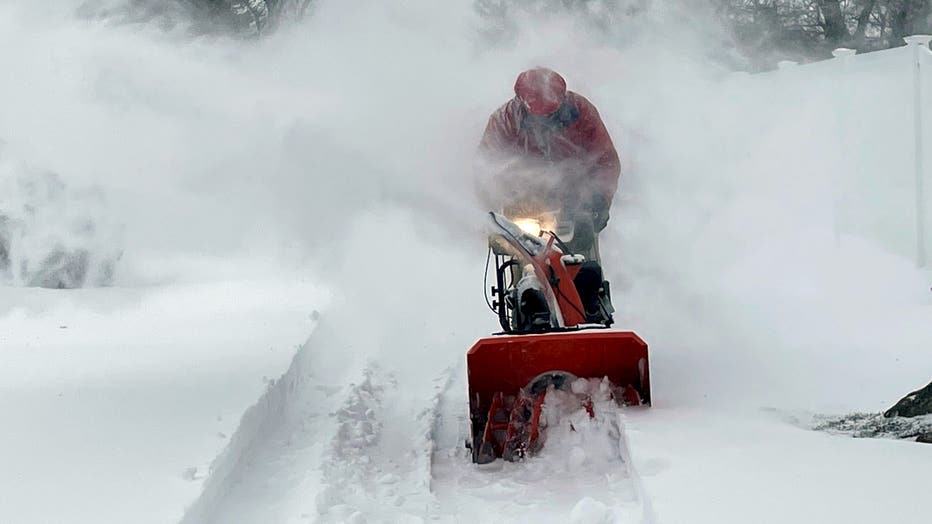
East Northport, N.Y.: Robert Tallman of East Northport, New York tries to clear a driveway using a snow blower on Teaneck Drive in East Northport during a winter nor'easter on Jan. 29, 2022. (Photo by Ken Sawchuk/Newsday RM via Getty Images)
Why this matters now
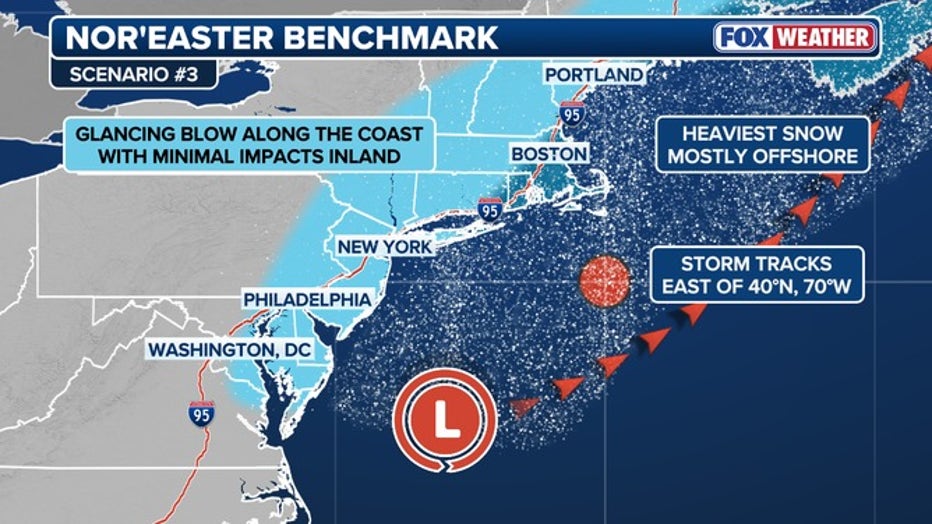
Forecasters with FOX Weather and other outlets say the system being watched this weekend has the potential to strengthen off the Southeast coast and track northward toward the Mid-Atlantic and Northeast. That pattern could allow it to take on characteristics of a nor’easter and possibly meet bomb cyclone criteria, meaning stronger winds and impactful snow or wintry precipitation if it stays close enough to the coast as it deepens.
While exact details — including snow amounts, timing and the storm’s path — remain uncertain, the track and intensity will determine whether this becomes a significant winter storm for parts of the East Coast.
Typical impacts
Across past nor’easters and bomb cyclones, impacts have included:
- Heavy snow and blizzard conditions in inland areas.
- Strong winds that can bring down trees and power lines.
- Coastal flooding and high surf, especially at high tide.
- Travel disruptions, including flight cancellations and hazardous road conditions.
Featured
Clearing snow and ice off your car? Here’s what not to do to avoid damage
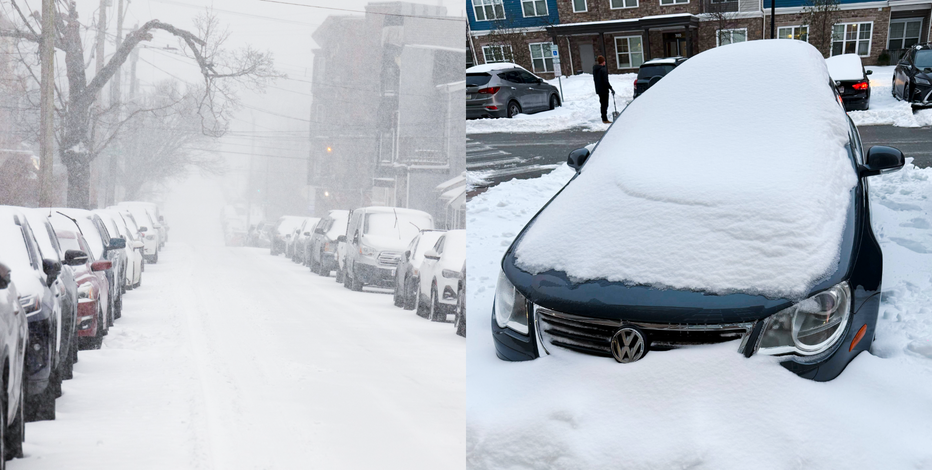
Digging your car out after a snowstorm can feel like a race against time, but experts say rushing, or using the wrong tools, can end up causing expensive damage to your vehicle.
Stay ahead of the snow with FOX 5’s expert meteorologists, streaming LIVE on FOX LOCAL. We’re streaming nonstop coverage with the newest forecasts, snow potential, and preparation tips. Download FOX LOCAL for 24/7 weather coverage on your smart TV and mobile devices.
The Source: This article was written using information from FOX Weather, the National Weather Service and historical storm data on nor’easters and bomb cyclones.