

What happens if you can’t afford to pay your taxes in 2026? IRS options explained
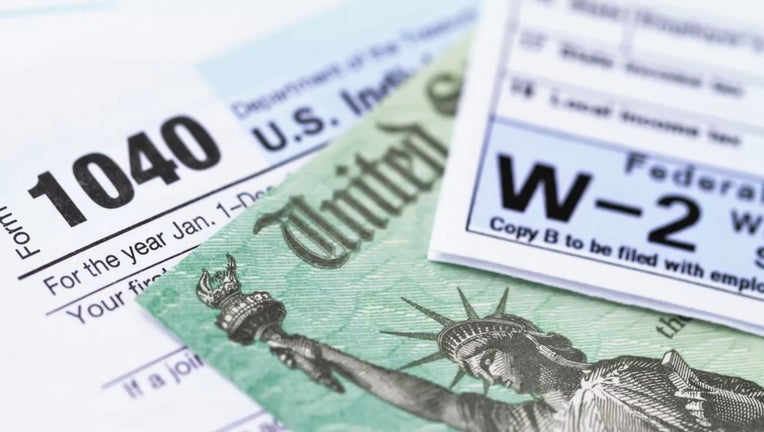
NEW YORK - Owing money to the IRS is common, but there are official ways to manage a tax bill you can’t afford — and serious consequences if you do nothing.
What we know:
The Internal Revenue Service (IRS) has several formal procedures to help taxpayers who cannot pay their tax bill in full by the due date. Ignoring the debt, failing to file or waiting too long to act can result in mounting penalties, interest and, eventually, collection actions.
FIND MORE PERSONAL FINANCE STORIES
Why not paying on time matters
If you owe taxes and don’t pay by the deadline, interest and penalties begin accruing immediately. The failure-to-pay penalty can add up each month, and interest compounds on both the unpaid tax and the penalty until the balance is resolved.
Failing to take action may eventually prompt the IRS to file a federal tax lien on your property or pursue levies on your bank accounts and wages. Early contact often preserves more options and can slow or prevent aggressive enforcement.
RELATED: When are New York income taxes due in 2026? Filing deadlines explained
IRS payment plans
One of the most common ways to manage a tax bill you can’t pay in full is through an installment agreement — a payment plan with the IRS.
- Short-term payment plans are available if you can pay your balance within 120 days.
- Long-term plans let you pay over a longer period if you owe less than certain thresholds.
You can apply for many plans online, and once approved, they let you make monthly payments instead of a lump sum. A setup fee may apply for long-term plans, though it can sometimes be reduced based on income.
RELATED: Stimulus payment February 2026, IRS direct deposit relief, tariff dividend & tax refund fact check
Offer in Compromise
An Offer in Compromise (OIC) lets qualified taxpayers settle their tax debt for less than the total amount owed. This option is designed for situations where paying the full balance would cause financial hardship and the IRS determines that the reduced amount represents the most it can reasonably collect.
OIC applications require detailed financial disclosure and must show income, expenses and assets before the IRS approves a reduced settlement.
Other relief options
If you are experiencing serious financial hardship, the IRS may classify your account as Currently Not Collectible (CNC), temporarily pausing enforcement actions while you stabilize your finances. This does not eliminate the debt, and interest may continue to accrue.
Taxpayers may also qualify for penalty relief if they have a valid reason for nonpayment, such as circumstances beyond their control.
What you can do:
The most important step is to file your tax return on time, even if you cannot pay the full amount owed. Filing prevents additional penalties and protects eligibility for payment plans and relief programs.
Next, pay as much as you can by the due date and contact the IRS to request a payment plan or other relief option based on your situation.
When enforcement can escalate
If you take no action and your balance remains unpaid, the IRS may eventually send a "Final Notice of Intent to Levy," after which it can take direct action — including garnishing wages, levying bank accounts, or placing a lien on property — to recover unpaid taxes.
The Source: This article was written using guidance from the Internal Revenue Service.