

LIRR strike Day 3: No service for Tuesday morning even if deal is reached
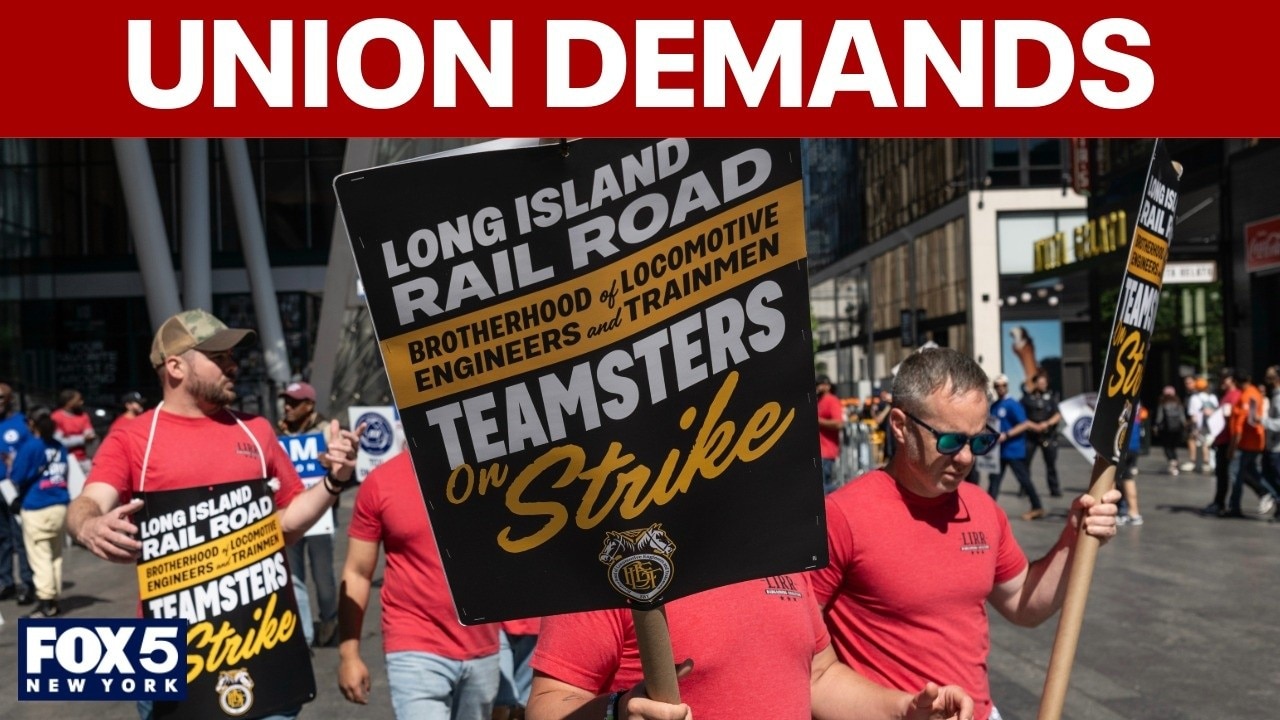
What do striking LIRR workers want?
FOX 5 NY's political reporter Morgan McKay breaks down the demands of the five unions that LIRR workers belong to.
LONG ISLAND, NY - Over the weekend, thousands of Long Island Railroad workers from five separate unions began a strike after weeks of negotiations failed to materialize into a new labor contract.
Now, for the first time in 30 years, hundreds of thousands of Long Island Rail Road (LIRR) riders are without service.
Latest:
In an update Monday afternoon, MTA lead negotiator Gary Dellaverson said talks appeared to lose momentum after what officials initially believed was progress overnight.
Dellaverson said the unions presented no new proposals Monday and initially asked to delay negotiations until 1 p.m., later pushing availability back to 3 p.m.
"Our sense last night that we were moving forward was over optimistic," Dellaverson said, adding that negotiations are "not at the same level" as they were previously and claiming the unions have shown "no sense of urgency."
Why the strike is happening
By the numbers:
Ultimately, the talks broke down over the proposed fourth deal for a new contract.
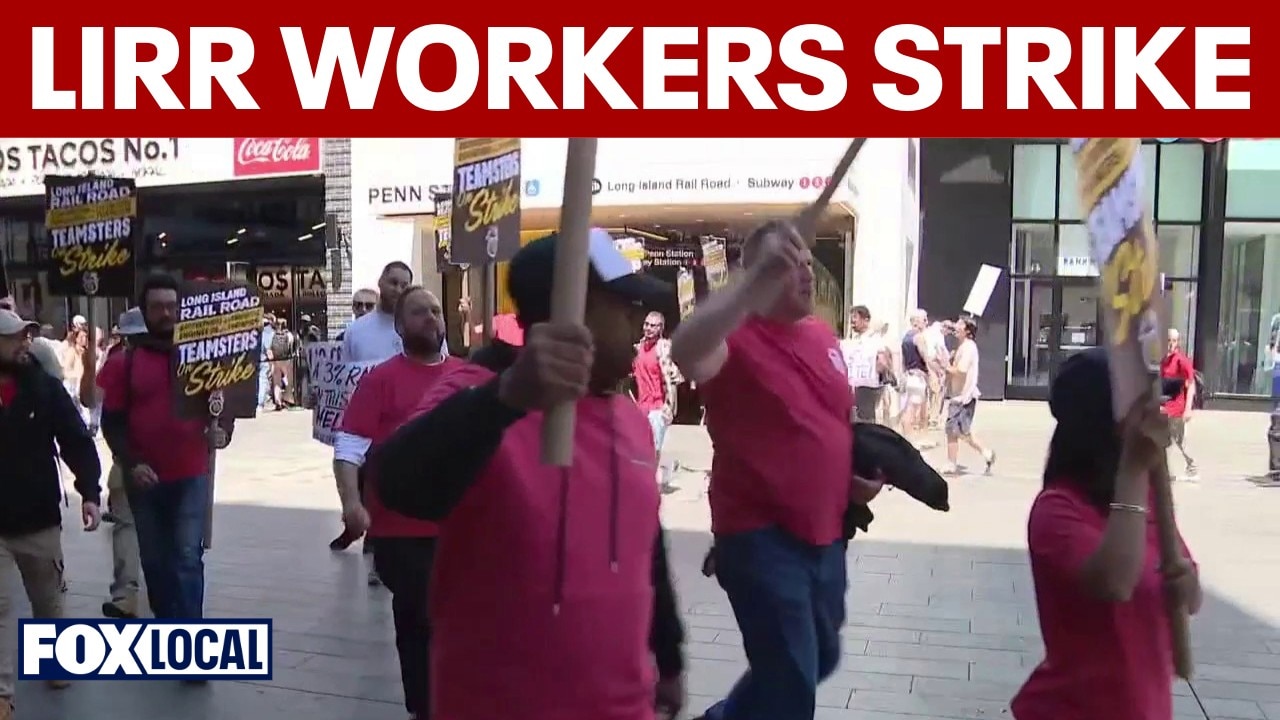
LIRR Strike begins: 3,500+ workers demand higher pay
The LIRR strike has begun, grinding the busiest commuter rail line in the county to a halt.
The unions say they want a 5% raise in the final year. The MTA is offering 3% plus additional lump sum payments, making it, in effect, a 4.5% raise.
The MTA says going any higher would mean raising fares by as much as 8% next year, or cutting service.
How long is the LIRR strike going to last?
What they're saying:
Jim Louis, who was at the negotiating table late Friday, told FOX 5 NY’s Stephanie Bertini the unions believed a deal was close until MTA negotiators introduced new health care-related proposals "that were never discussed," derailing talks.
Union leaders blamed the MTA for the strike, with IAM District 19 General Chairman Shaun O’Connor calling it a "management-provoked strike."
Late Friday, MTA CEO Janno Lieber defended the agency’s position, saying the proposed deal would "implode the MTA’s budget" and force riders and taxpayers to fund "outsized wage increases."
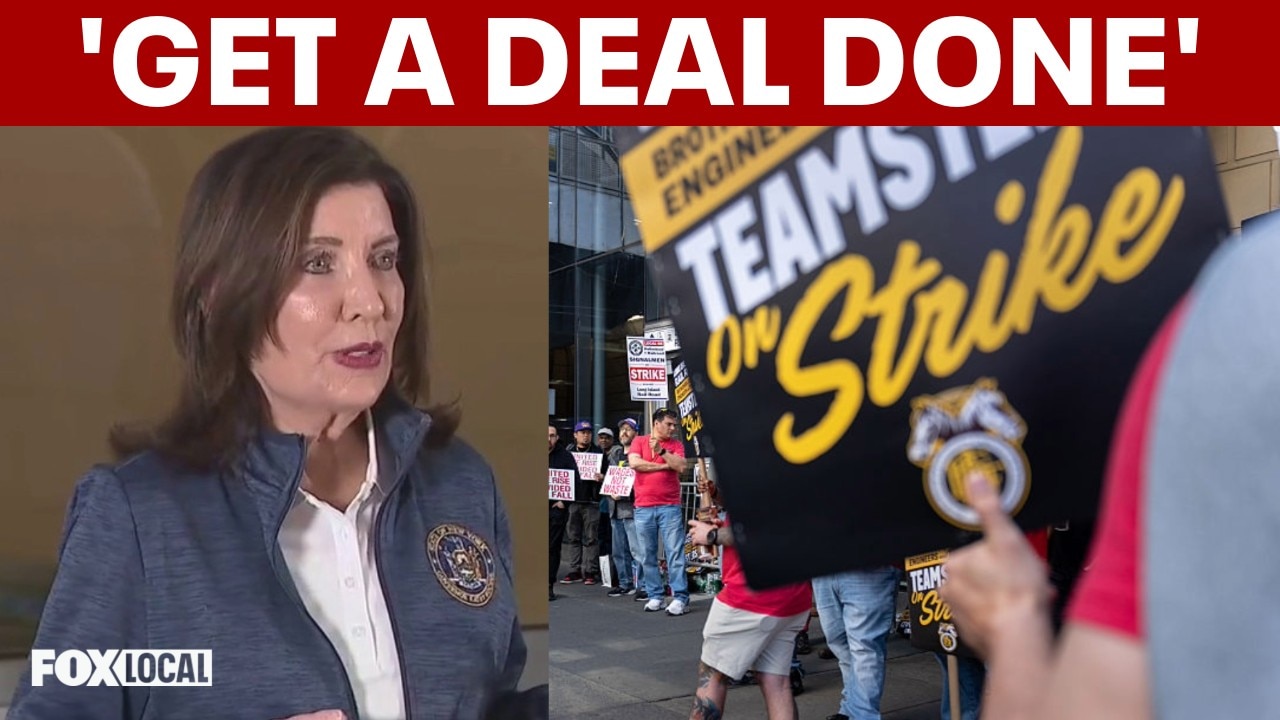
LIRR strike: Gov. Hochul urges unions, MTA to get a deal done
In an urgent press conference on Sunday, New York Gov. Kathy Hochul warned New York City commuters to prepare for massive disruptions and called on all parties to immediately return to the negotiating table.
Gov. Kathy Hochul called the strike "reckless" and the unions’ contract demands "unacceptable" in a statement, warning they could lead to fare hikes and higher taxes for Long Islanders.
She also blamed the Trump administration for ending mediation early and allowing negotiations to move toward a strike.
In response, President Donald Trump denied responsibility in a Truth Social post, blaming Hochul for the labor dispute and saying he could "properly get things done" if needed.
Hochul later reiterated that the strike was only possible because the Trump administration authorized it earlier this year; in January, an executive order authorized a Presidential Emergency Board under the Railway Labor Act, temporarily blocking a strike and extending negotiations between the LIRR and its unions.
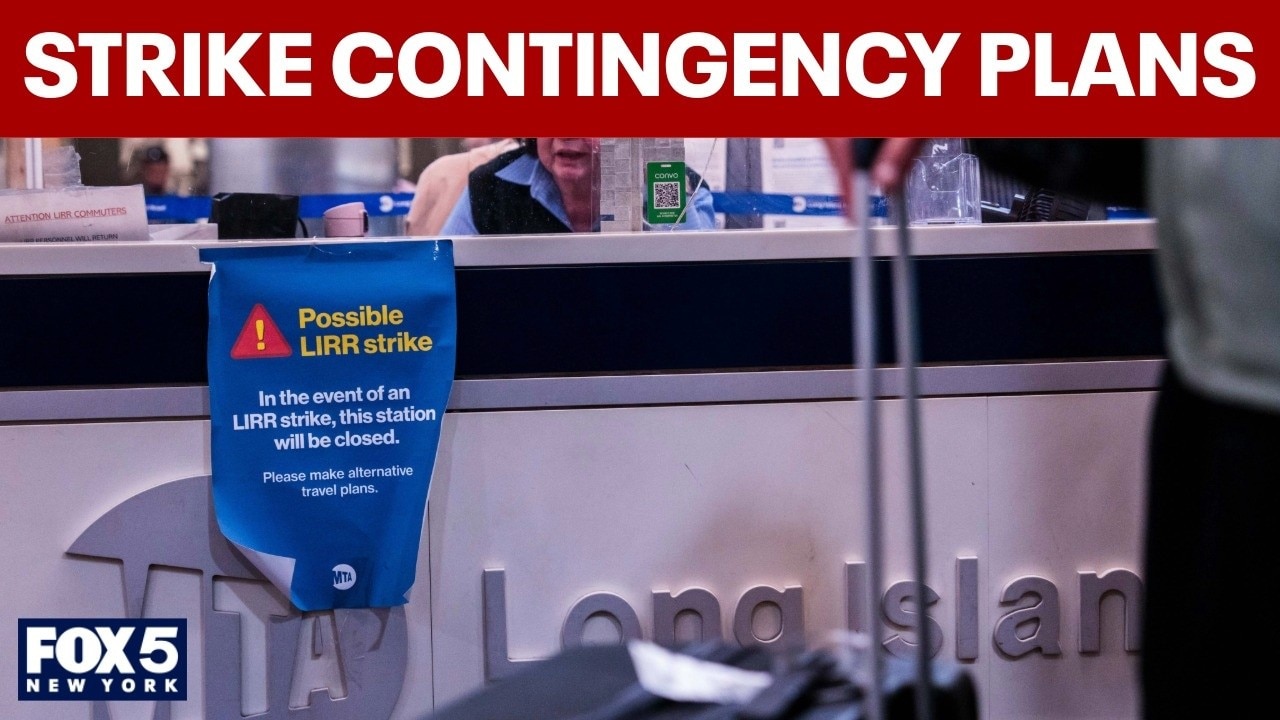
FULL: LIRR, MTA talk strike contingency plans for commuters
LIRR President Robert Free and MTA chief customer service officer Shanifah Rieara discuss contingency plans.
Under federal law, the move triggered a mandatory cooling-off period, preventing workers from striking while negotiations and mediation continued. Once that period expired without a deal, unions were legally allowed to walk off the job.
Meanwhile, Mayor Zohran Mamdani said in a statement that City Hall and city agencies are coordinating contingency plans as negotiations continue.
He warned commuters to expect heavier traffic, crowded transit and longer travel times, while noting the MTA plans limited weekday bus service for essential workers and others unable to work remotely.
Alternative travel options
What you can do:
To ease disruptions, free weekday shuttle buses for essential workers will run from six Nassau and Suffolk County locations to Queens subway stations during morning and evening rush hours, according to state officials.
Routes include service from Bay Shore, Huntington, Ronkonkoma, Hicksville and Mineola to subway connections in Queens and at Howard Beach-JFK Airport.
NICE Bus is also adding weekday service with direct connections to Queens subway hubs, including Jamaica Center, Flushing-Main Street and Far Rockaway, according to Nassau County Executive Bruce Blakeman.
Meanwhile, commuters can park at Citi Field for $6 and transfer to the 7 train, which officials say will run every two to three minutes.
The MTA said subway lines, including the 7, A, E, F, J and Z, have enough capacity to handle increased ridership, with extra "gap trains" ready if stations become overcrowded.
How long was the last LIRR strike?
The backstory:
The last time there was a Long Island Railroad strike was in June 1994. It lasted two days.
The Source: Information Gov. Kathy Hochul, Mayor Zohran Mamdani, the MTA, The White House, Truth Social, the National Mediation Board, Cornell University and previous FOX 5 NY reporting.