

Cyclosporiasis latest: This is why federal health officials are tracking a stomach bug in 31 states
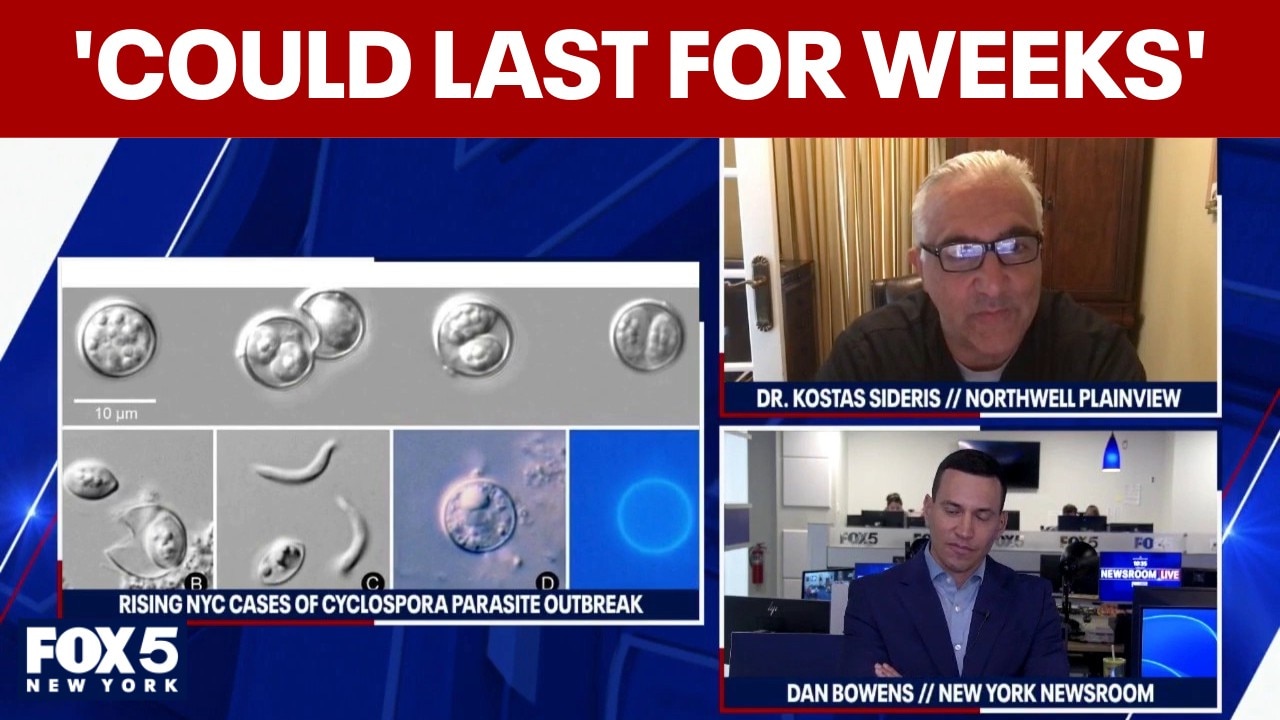
Doctor answers cyclosporiasis questions: How can you avoid it? What's the treatment?
Chief of Gastroenterology at Northwell Plainview Hospital, Dr. Kostas Sideridis, joined Newsroom Live with Dan Bowens to talk about the latest with the cyclosporiasis outbreak and the rising cases in New York City.
NEW YORK - Health officials and federal researchers are scrambling to locate the source of a miserable stomach parasite that has sickened hundreds of people nationwide.
Stomach illness outbreak
What we know:
The illness stems from a parasite that targets the small intestine, causing intense diarrhea, nausea and fatigue, according to health data.
In this photo illustration, (L-R) Erling Haaland, Martin Odegaard and Antonio Nusa of Norway and Bukayo Saka, Jude Bellingham and Harry Kane of England. (Photo by FIFA/FIFA via Getty Images)
Federal health officials at the CDC tracked the parasite across 31 states, confirming 843 cases and 86 hospitalizations. The actual number of infections is likely much higher, researchers said.
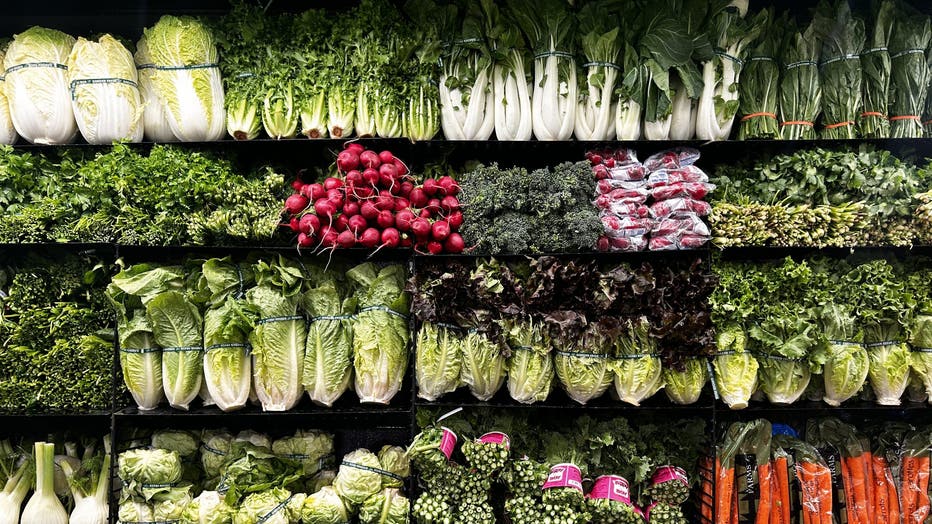
The parasite typically spreads when human feces contaminates water used to irrigate crops. Contaminated foods of concern include cilantro, basil, raspberries, blackberries, snow peas and packaged lettuce.
Foodborne parasite source mystery
What we don't know:
Health investigators do not know the exact origin or specific product causing the current outbreak, according to the CDC. Finding the root cause is exceptionally difficult because the parasite mutates quickly compared to bacteria like E. coli or salmonella, Cleveland Clinic Physician Dr. Neha Vyas said.
Officials have not yet determined how many total people have truly been infected outside the officially reported numbers. It remains unclear which specific farms or shipments introduced the contaminated items into the food supply.
Summer spike in cases: Is cyclosporiasis contagious?
Why you should care:
Stomach illness cases normally spike during the summer months when people consume more fresh produce, but medical experts say this season has been exceptionally worse. The infection is not contagious between humans, meaning people can only get sick by eating something contaminated with the parasite.
Symptoms can take anywhere from six to seven days to appear after a person eats the parasite, HealthTrack Chief Medical Officer Dr. Steve Goldberg noted. Without proper medical treatment, the stomach illness can fade away and repeatedly return over the course of six weeks.
Protect your fresh food: How to avoid Cyclosporiasis?
What you can do:
Medical professionals advise consumers to thoroughly wash all fruits and vegetables before eating them. Goldberg recommended only consuming high-risk produce items if they were grown and irrigated inside the United States.
The Source: The information in this story was gathered from the Centers for Disease Control and Prevention, who provided case tracking numbers and health guidance, as well as interviews with medical experts from HealthTrack and the Cleveland Clinic featured in a FOX 5 broadcast by Rob DiRienzo.