

MTA price hikes start this weekend: Details

NEW YORK - New Yorkers will pay more to ride trains and buses and to cross major bridges and tunnels beginning Sunday, as the Metropolitan Transportation Authority (MTA) rolls out a systemwide fare hike approved earlier this year.
What we know:
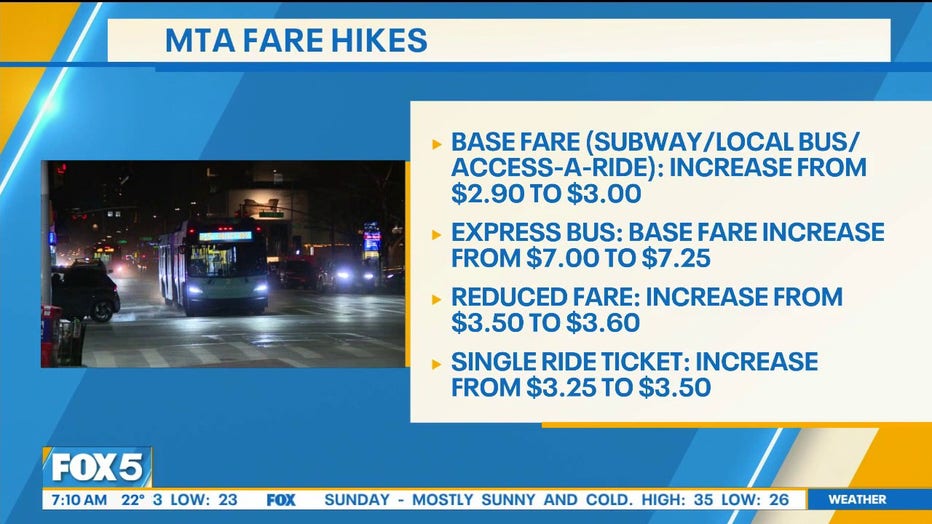
The base fare for subways and local buses will rise by 10 cents, bringing the cost of a ride to $3. Reduced fares will also increase slightly. Express bus fares will go up from $7 to $7.25, while the reduced express fare will increase from $3.50 to $3.60. Single-ride tickets will climb from $3.25 to $3.50.
SKIP TO: Omy cards
Can Mamdani lower MTA fares?
The increases were approved by the MTA in September. While Mayor Zohran Mamdani previously campaigned on making buses free, the city does not control the transit system. The MTA oversees subway and bus operations.
"I think it should go down, if anything," said one rider. "Like $3 just to get on the train and the bus. It should be free."
Others said they had come to expect regular fare increases.
"It goes up almost every year or two years anyway," another commuter said. "So I’m used to it."
Featured
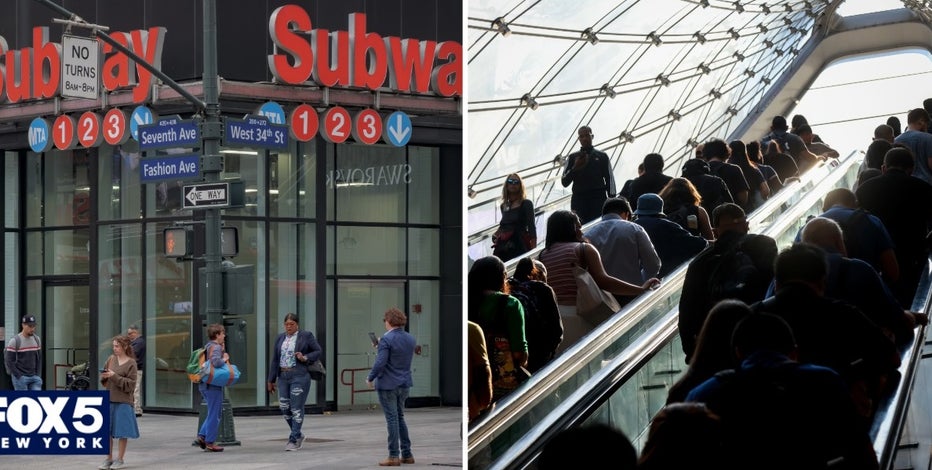
NYC transit changes in 2026: Subways, buses, LIRR, Metro-North, tolls
Several changes are coming to New York City's public transportation in the new year. Here are all the updated rules coming to the subways, buses and trains in 2026.
LIRR, Metro-North service
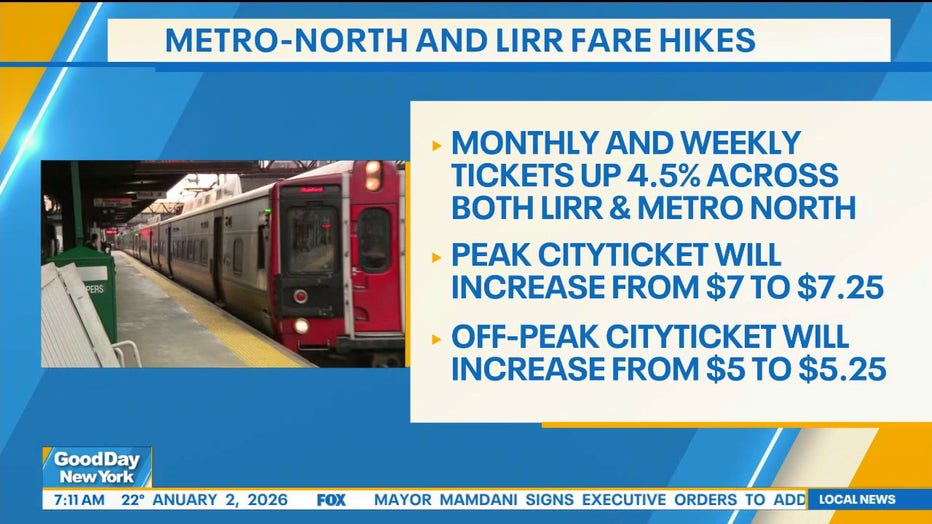
Commuter rail riders will also see higher prices. Monthly and weekly tickets on the Long Island Rail Road and Metro-North Railroad will increase by up to 4.5%, while other ticket types will rise by as much as 8%. Peak CityTickets will go from $7 to $7.25, and off-peak CityTickets will increase from $5 to $5.25.
Tolls on MTA bridges and tunnels will also rise, increasing between 20 and 26 cents depending on the crossing. The changes apply to both E-ZPass and tolls by mail. Existing discount programs for drivers in Queens, the Bronx and Staten Island will remain in place.
The hikes extend beyond New York City.
NJ, NY tolls
The Port Authority of New York and New Jersey will raise tolls by 3% on its bridges and tunnels starting Sunday, including the George Washington Bridge, Lincoln Tunnel and Holland Tunnel. Peak-hour E-ZPass tolls for cars will increase from $16.06 to $16.79.
A separate 3% toll increase on the New Jersey Turnpike and Garden State Parkway took effect Saturday.
For many commuters, the added costs come as prices continue to rise across the region.
"It’s just another transition for a lot of people," one rider said. "Especially with everything else going up."
Omy cards
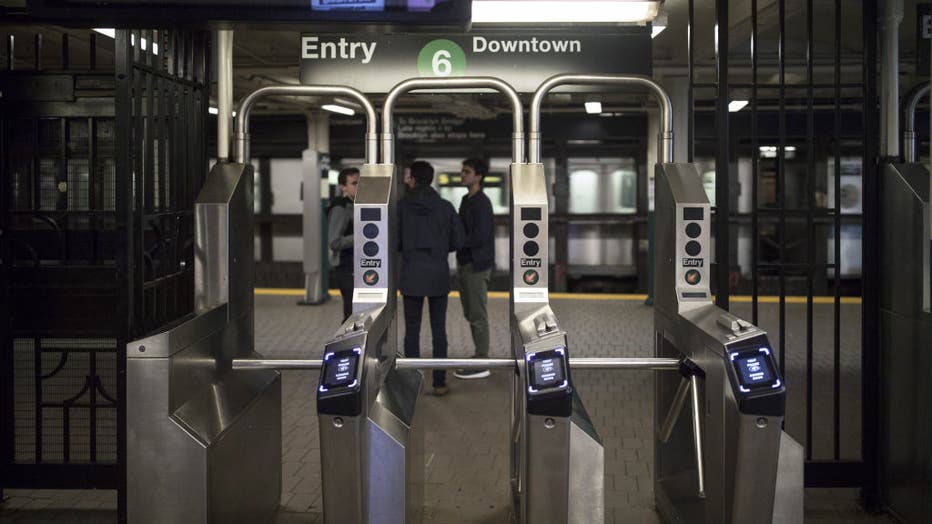
Monitors for the new Metropolitan Transportation (MTA) contactless fare payment system, known as the One Metro New York (OMNY), are seen on turnstiles at a subway station in New York, U.S., on Saturday, May 4, 2019. Starting May 31, New York commuter
OMNY, short for One Metro New York, lets riders pay by tapping a credit card, phone or smart device instead of using a MetroCard.
The fee for a new OMNY card will increase to $2, and MetroCards will no longer be sold, though they will still be accepted through 2026.
Any remaining MetroCard balances can be transferred to OMNY or refunded for up to two years after the card expires.
With OMNY, riders get free rides for the rest of the week after paying for 12 trips with the same card or device, with the weekly cap rising to $35 when the base fare increases to $3. OMNY cards can be purchased and loaded with cash at subway vending machines and participating retail stores.
The Source: This report is based on information from the MTA.