

The invasive insects and rodents of greatest concern in NY, NJ for 2026: Pest control experts
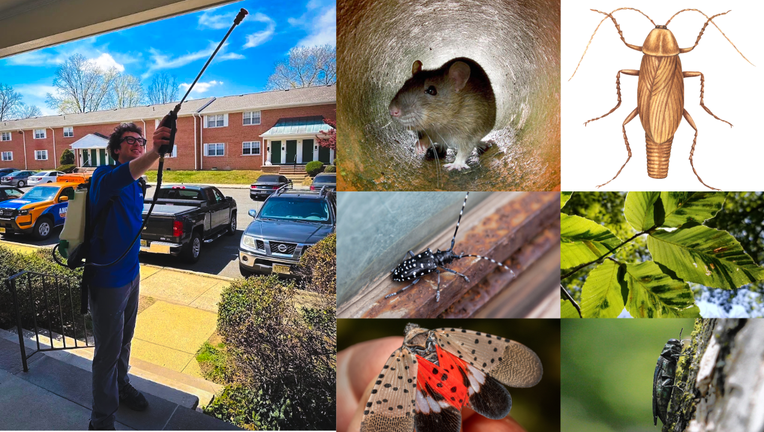
NEW YORK - Pest control experts say several invasive species are posing ongoing challenges across New York and New Jersey, with some able to spread quickly once introduced into homes and businesses.
What we know:
Human movement and favorable environmental conditions are major drivers behind the spread of invasive pests, according to James Haidacher, vice president of Anchor Pest Control in New Jersey and Pennsylvania.
In high-density areas, pests can be transferred through travel, deliveries and moving items between homes and businesses. Construction can also displace pests, pushing rodents and insects into new areas where they can establish quickly.
Once pests find food and shelter, populations can grow rapidly. Species like German cockroaches and bed bugs are often introduced through personal belongings and can escalate into serious infestations in a short time.
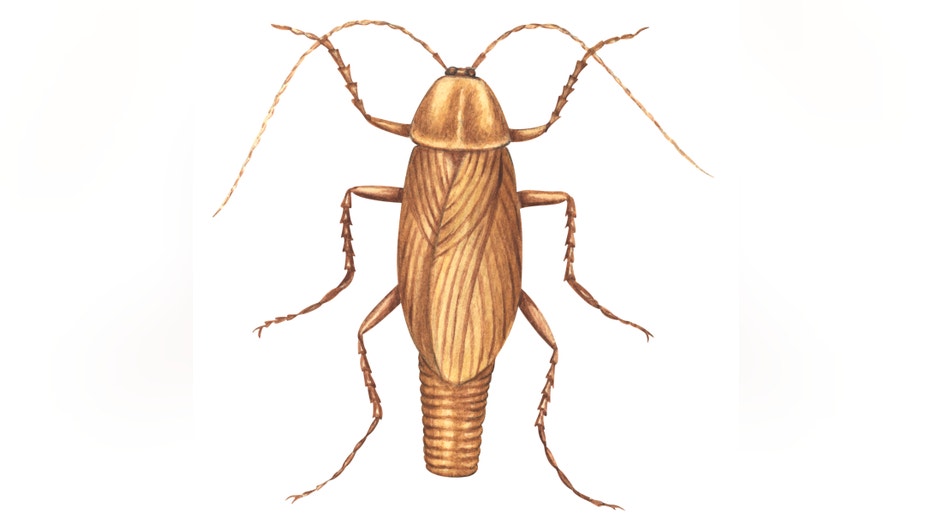
German Cockroach, German Cockroach (Blattella Germanica). (Photo By Encyclopaedia Britannica/UIG Via Getty Images)
Why prevention matters
Experts say early detection is critical when dealing with invasive pests.
"Just like with medical conditions, early detection is critical," Haidacher said. Once an infestation becomes established, especially with pests like German cockroaches or bed bugs, elimination can require multiple treatments and a longer timeline.
Proactive monitoring allows homeowners and businesses to catch problems early before they become more costly and difficult to control.
How pest control strategies are evolving
Integrated Pest Management (IPM) is one of the primary strategies used to control invasive species.
This approach focuses on long-term prevention through inspections, sanitation and targeted treatments. It also includes sealing entry points, reducing moisture and clutter, and using pest-proof materials to keep insects and rodents out.
The goal is not just to eliminate visible pests, but to create conditions where they cannot thrive or return.
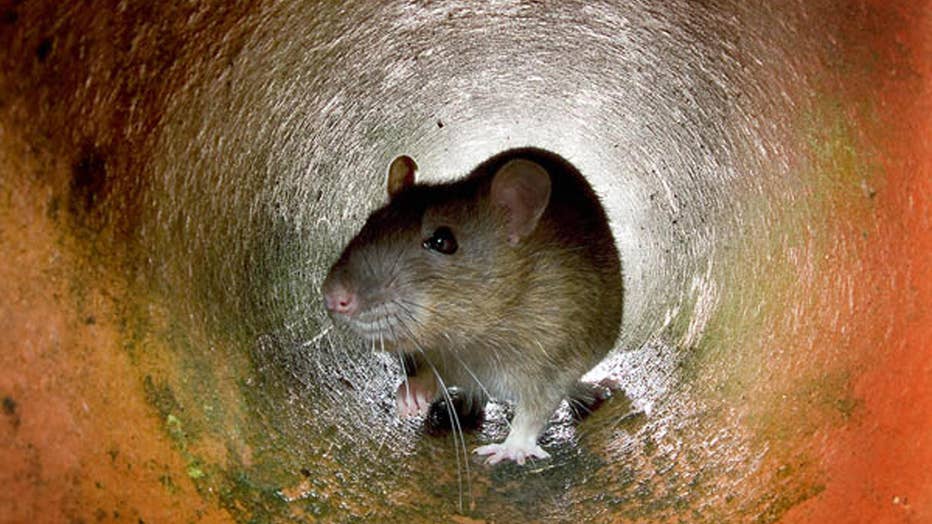
LONDON, UNITED KINGDOM: This undated photo shows a rat in the a pipe in London. Ageing sewers, insufficient garbage collection, a lack of resources to tackle the problem: it all adds up to a growing rat population in London, one of the world's wealth
Which invasive species are a concern
Experts say several pests are expected to remain major concerns in 2026, especially in urban and high-density areas.
Rodents, including mice and rats, along with German cockroaches and bed bugs, are among the most persistent threats.
State officials in New York also track a wide range of invasive insects that pose risks to agriculture and ecosystems, including species like the spotted lanternfly, emerald ash borer and Japanese beetle.
Some species are already widespread and difficult to eliminate, while others are being closely monitored or targeted for containment.
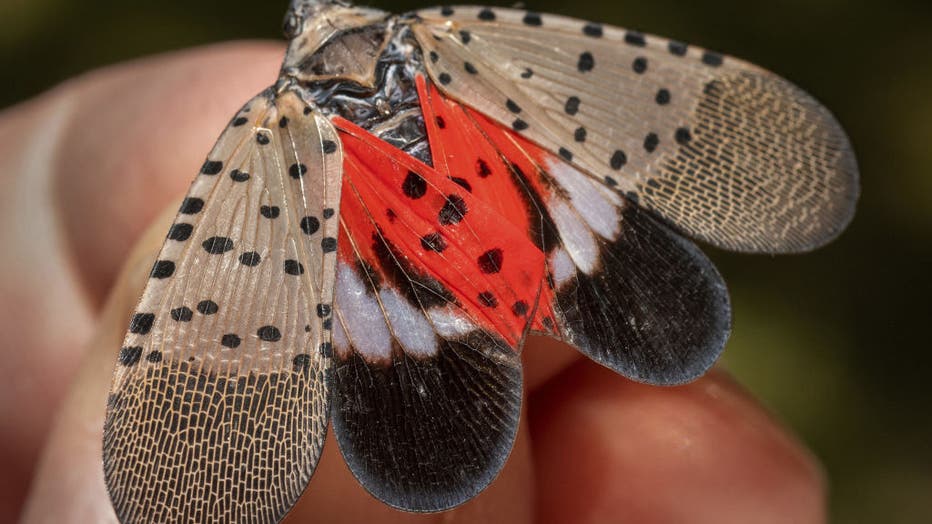
FILE - Indiana Department of Natural Resources compliance officer Vince Burkle holds an adult spotted lanternfly found in Huntington, Indiana, on Wednesday, Aug. 17, 2022.
Invasive species to watch in New York
New York state officials also track a range of invasive species that can impact forests, agriculture and local ecosystems.
According to the New York State Department of Environmental Conservation, terrestrial invasive species are non-native organisms that can harm the environment, economy or even human health.
Some of the most closely monitored species in New York include:
- Asian longhorned beetle – a wood-boring insect that damages hardwood trees like maple and birch
- Emerald ash borer – responsible for killing millions of ash trees across the state
- Spotted lanternfly – an invasive insect already established in parts of the region and spreading through the Northeast
State officials say many invasive species spread through travel and trade, often hitching rides on firewood, vehicles, shipping materials or even clothing.
Because many of these species lack natural predators, they can reproduce quickly and become difficult to control once established, according to the DEC.
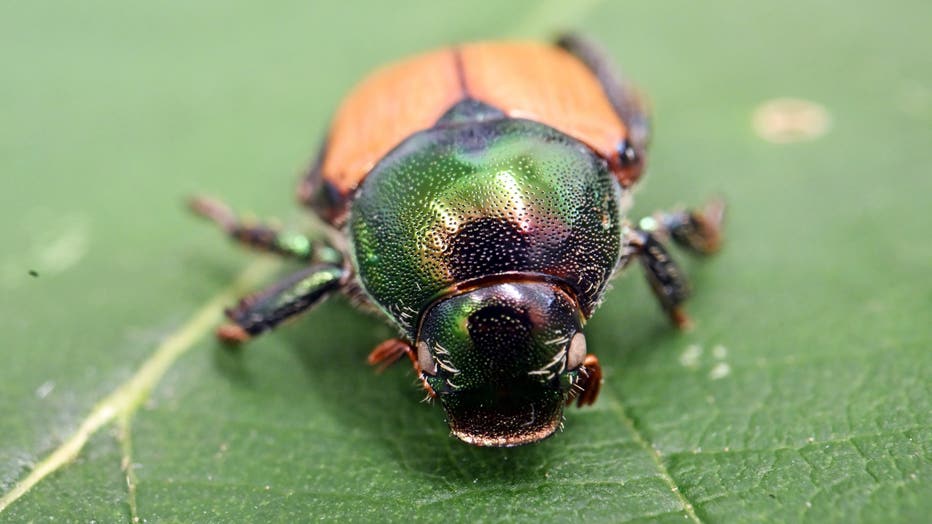
01 August 2025, Baden-Württemberg, Karlsruhe: A prepared Japanese beetle (Popillia japonica) is on display at the Agricultural Technology Center Augustenberg (LTZ). Photo: Uli Deck/dpa (Photo by Uli Deck/picture alliance via Getty Images)
What you can do:
Experts say awareness is one of the most important tools for preventing infestations.
Homeowners and businesses should watch for early warning signs such as droppings, unusual activity or visible damage. Addressing issues early can prevent a minor problem from turning into a long-term infestation.
Simple steps like inspecting belongings, maintaining clean spaces and sealing entry points can significantly reduce the risk.
Big picture view:
As population density increases and travel continues to connect regions, invasive pests are expected to remain an ongoing challenge across New York and New Jersey.
Experts say staying proactive — rather than reactive — will be key to managing the growing threat.
The Source: This article was written using information from the New York State Department of Environmental Conservation and interviews with Anchor Pest Control.