

New York reports highest number of flu cases ever recorded in a single week

A health care provider places a bandage on the injection site of a patient, who just received an influenza vaccine. (CDC Photo)
NEW YORK - New York is experiencing its worst week on record for influenza cases, prompting health officials to warn residents to take precautions as hospitalizations rise statewide.
What we know:
The New York State Department of Health announced Friday that the state recorded 71,123 positive flu cases during the seven-day period ending December 20, 2025 — the most ever reported in a single week since influenza became a reportable illness in 2004.
The total represents a 38% increase from the previous week. So far this flu season, the state has reported 189,312 confirmed cases.
Hospitalizations due to influenza also increased significantly, rising 63% from the prior week — from 2,251 to 3,666 statewide.
"We are seeing the highest number of flu cases ever recorded in a single week in New York State," State Health Commissioner Dr. James McDonald said. "We are closely reviewing hospital bed capacity data to better understand hospitalization trends and to guide any necessary response related to impacts from respiratory viral infections."
What they're saying:
Dr. McDonald emphasized that while flu activity is elevated, steps can still be taken to reduce risk.
"While influenza activity is elevated, there are simple steps New Yorkers can take to protect themselves and those around them, including getting vaccinated, staying home when sick and practicing everyday preventive measures," McDonald said. "Flu is treatable for high-risk people with antiviral medicine, if taken within 48 hours of symptoms."
The backstory:
Earlier this month, the Department of Health declared influenza prevalent in New York state. That declaration requires health care facilities and agencies to ensure that personnel who have not received this year’s flu vaccine wear masks in areas where patients and residents may be present.
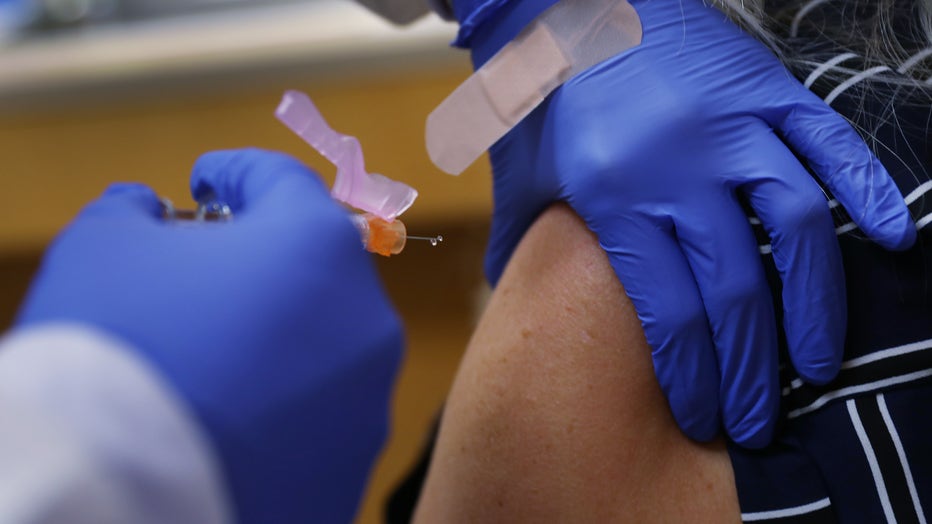
A Nurse Practitioner, wears personal protection equipment as she administers a flu vaccination. (Photo by Joe Raedle/Getty Images)
State officials note that flu case counts have risen in recent years due in part to increased testing and the widespread use of multi-pathogen testing panels. Still, health leaders say this season is impacting more people than in other recent years. Flu season typically peaks in January.
Why you should care:
Health officials warn that young children, pregnant women, people with chronic medical conditions and adults ages 65 and older face the highest risk of serious flu complications.
Antiviral medications, such as Tamiflu, can be prescribed by health care providers and may reduce the severity and length of illness if taken shortly after symptoms begin.
What you can do:
State health officials say it is not too late to get a flu vaccine. The vaccine is widely available across New York at pharmacies, health clinics and physician offices.
In addition to vaccination, the Department of Health recommends:
- Washing hands often with soap and water for at least 20 seconds
- Avoiding touching the eyes, nose and mouth with unwashed hands
- Avoiding close contact with people who are sick
- Staying home when sick
- Covering coughs and sneezes with a tissue
- Cleaning and disinfecting frequently touched surfaces
What's next:
Health officials say they will continue monitoring flu activity, hospital capacity and respiratory virus trends as the season progresses into January.
The Source: This article was written using information from the New York State Department of Health and statements from State Health Commissioner Dr. James McDonald.