

New York reports record flu hospitalizations in single week
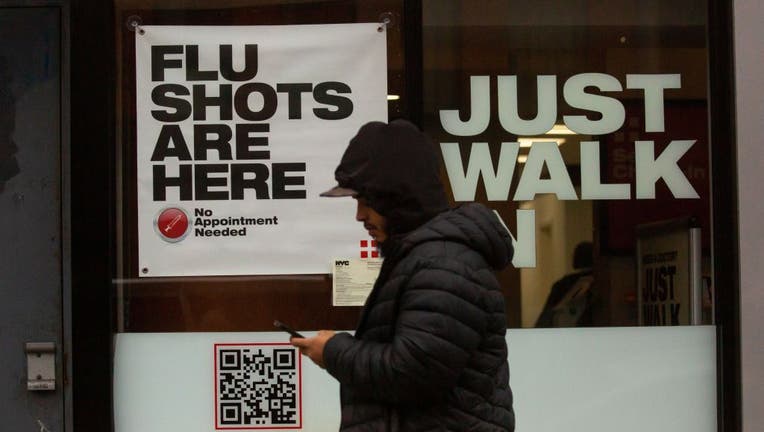
A man walks past an urgent care facility offering flu shots in New York, the United States, on Dec. 7, 2022. The United States is experiencing surge in respiratory illnesses including COVID-19, flu and respiratory syncytial virus RSV, worsening the s
NEW YORK - New York is seeing a surge in flu cases, with state health officials reporting the highest number of flu-related hospitalizations ever recorded in a single week.
What we know:
The New York State Department of Health said 4,546 people were hospitalized with influenza during the most recent seven-day period — nearly 1,000 more than the previous week. Officials said the spike marks a more severe flu season than in recent years.
"We are having a more severe flu season than prior years, almost 1,000 more people were admitted to a hospital during this most recent seven-day period compared to the prior week," State Health Commissioner Dr. James McDonald said. "There is still time to get a flu shot, and remember, flu can be treated with antiviral medication if started within 48 hours of symptom onset and your doctor deems appropriate."

By the numbers:
Last week, the state also recorded the highest number of flu cases ever reported in a single week. In December, the Department of Health declared influenza prevalent statewide, triggering a requirement that unvaccinated health care workers wear masks in patient-care areas.
Health officials say the rise in reported cases is partly due to more widespread testing and the increased use of multi-pathogen panels for respiratory illnesses. Still, they emphasized that this season is impacting more people than in other recent years. Flu season typically peaks in January.
Flu symptoms
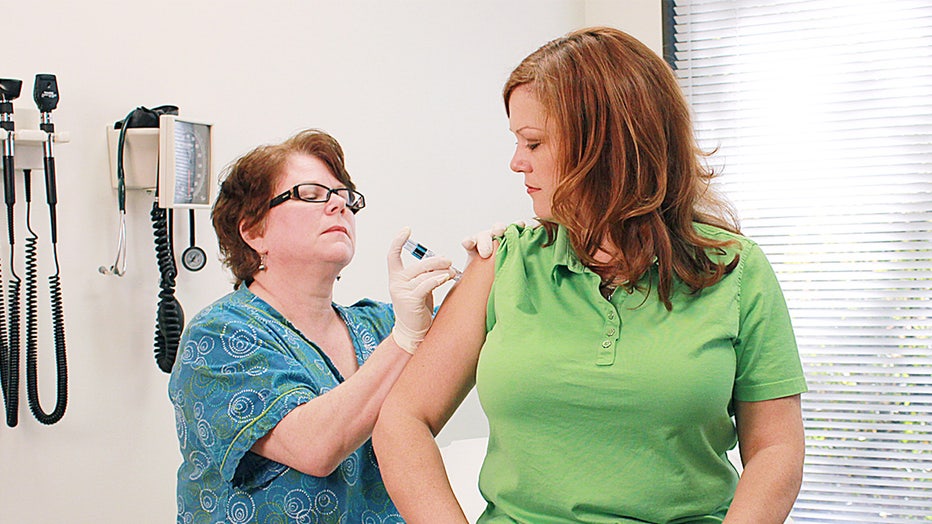
A health care professional gives a flu shot to a patient. (CDC)
Common flu symptoms include fever or chills, cough, sore throat, runny or stuffy nose, muscle or body aches, headache, fatigue, and, in some cases, vomiting or diarrhea — particularly in children.
The Department of Health stressed that it is not too late to get vaccinated. The flu vaccine is widely available to anyone 6 months and older and remains the best protection against serious illness and death. Young children, pregnant women, people with chronic medical conditions, and adults 65 and older face the highest risk of complications.
Antiviral medications can also help reduce the severity and duration of illness if taken soon after symptoms begin, according to health officials.
In addition to vaccination, the state recommends preventive steps such as frequent handwashing, avoiding close contact with sick individuals, staying home when ill, covering coughs and sneezes, and regularly cleaning commonly touched surfaces.
The latest Respiratory Surveillance Report and Flu Tracker are updated weekly on Fridays. More information about influenza in New York is available on the state Department of Health’s flu website.
The Source: This report is based on information from the New York Health Department.