

Is the LIRR going on strike? MTA, unions remain at odds over pay raises
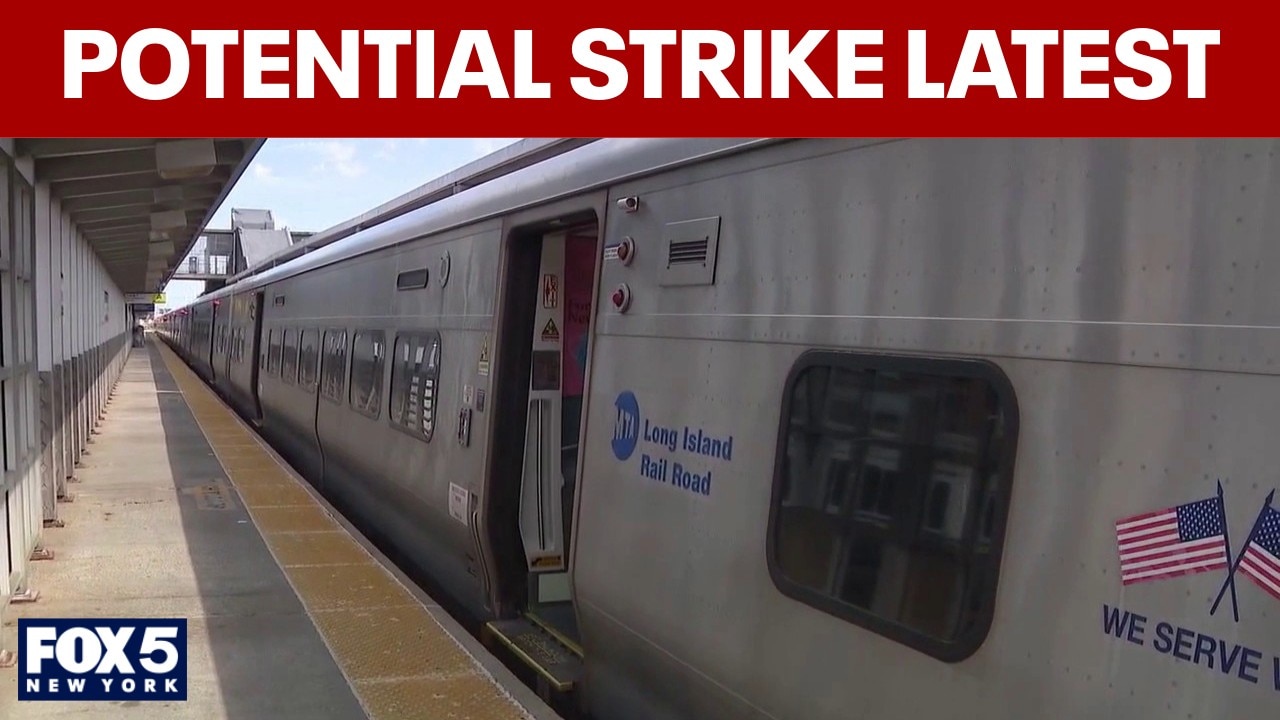
LONG ISLAND - A potential Long Island Rail Road strike could disrupt travel for around 300,000 daily commuters if the MTA and unions do not reach a deal before midnight.
LIRR strike deadline looms
What we know:
With just hours away from 3,500 workers walking off the job, MTA union representatives were in negotiations until late Thursday night, but no progress was made. The MTA and union representatives are expected to return to the negotiating table on Friday as the clock ticks toward a possible strike, which could begin Saturday at 12:01 a.m.
Difference in salary increase behind potential LIRR strike
The LIRR strike is still on the near horizon. FOX 5 NY's Linda Schmidt breaks it down.
By the numbers:
The main sticking point remains pay. Five LIRR unions want a 5% increase in the fourth year of the contract proposal, citing the high cost of living.
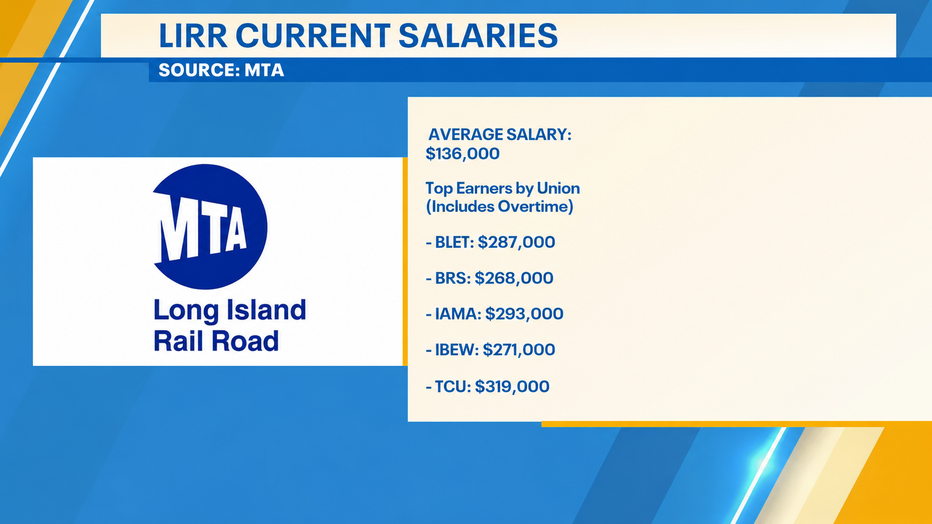
The MTA is offering a 3% increase, along with additional lump sum payments to bring the actual total up to 4.5%. MTA negotiators say offering more money could force the agency to raise fares by as much as 8% next year, or make service cuts.
LIRR strike contingency plan
Local perspective:
The MTA plans to run limited shuttle bus service during peak hours.
How to get to work if LIRR workers strike
The LIRR currently has a contingency plan ready in case its workers do strike this weekend. FOX 5 NY's Lisa Evers breaks it down.
If a strike happens, there will be shuttles departing from and returning from six LIRR stations, including Bayshore, Hicksville, Mineola, Hempstead Lake State Park near Lakeview Station, Huntington and Ronkonkoma.
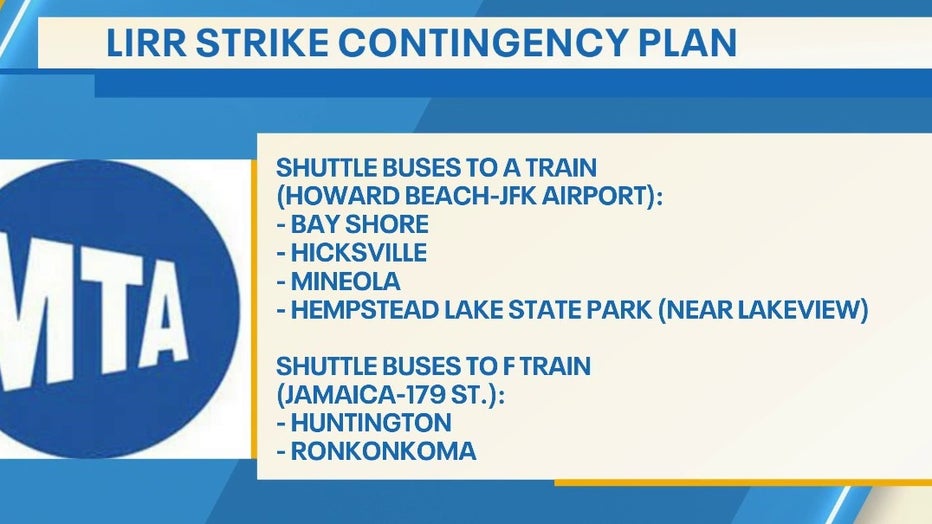
Commuters will get dropped off either in Jamaica or the Howard Beach JFK Airport stop, and from there they will have to take a subway into Manhattan.
Is the LIRR going on strike?
Why you should care:
For commuters who rely on the LIRR, a strike could mean longer travel times, added costs and fewer options. One commuter said a shuttle trip could take hours compared with a typical train ride. Another commuter said driving would also be more expensive because of gas, tolls, congestion pricing and parking.
The backstory:
The last time there was a Long Island Rail Road strike was in June 1994. It lasted 2 days.