

Cluster of Legionnaires' disease cases found in Harlem, health officials say

Cluster of Legionnaires' disease in Harlem
Five cases of the potentially fatal pneumonia-like illness were diagnosed in recent days, although no deaths have been reported, according to the health department.
NEW YORK - The New York City Health Department is investigating a new cluster of Legionnaires’ disease cases in Central Harlem, where five people have recently been diagnosed.
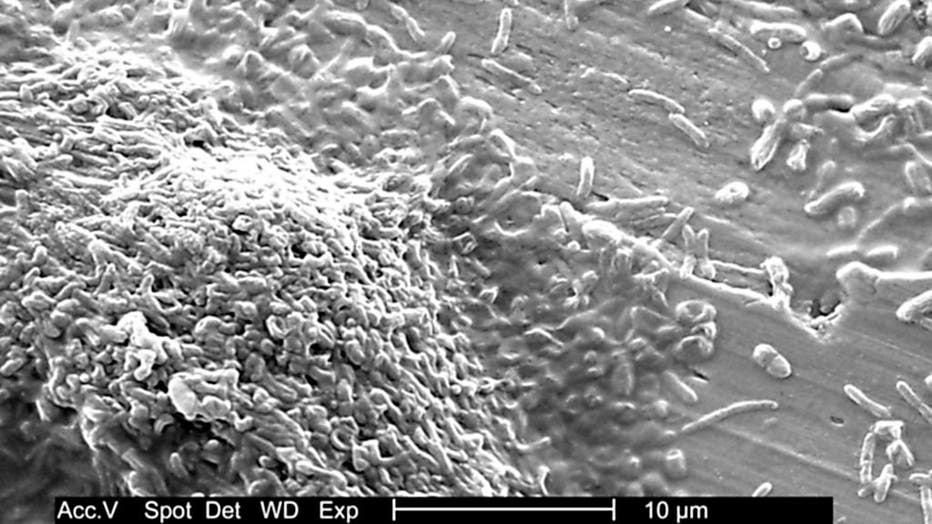
Legionella pneumophila bacteria existing in potable water biofilms revealed in the scanning electron microscopic (SEM) image, 1999. Image courtesy Centers for Disease Control (CDC) / Janice Haney Carr. (Photo by Smith Collection/Gado/Getty Images)
So far, no deaths have been reported, but officials are urging caution.
What we know:
The department is focusing on ZIP codes 10027, 10030, 10035, and 10037. Health officials say anyone experiencing flu-like symptoms, including fever, cough, muscle aches, or shortness of breath, should seek medical attention immediately.
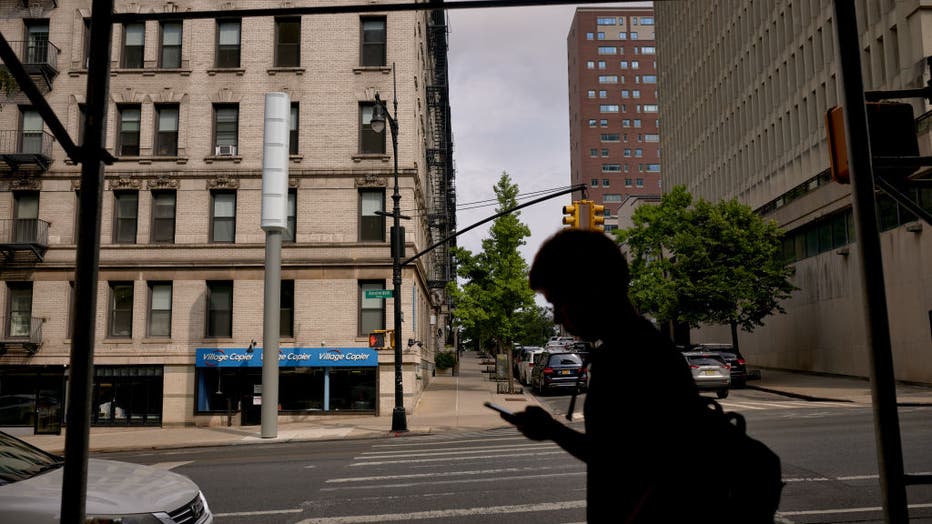
A 5G tower on the corner of 188th Street and Amsterdam Avenue in the Harlem neighborhood of New York, US, on Tuesday, June 27, 2023. Photographer: Gabby Jones/Bloomberg via Getty Images
Why you should care:
Legionnaires’ disease is a potentially deadly form of pneumonia, caused by inhaling water vapor contaminated with Legionella bacteria.
The illness is not contagious and can be treated with antibiotics if caught early. Common sources of infection include cooling towers, whirlpool spas, humidifiers, hot tubs, and the plumbing systems of large buildings.
While this outbreak is under investigation, it's not the first time the city has faced such a scare. In 2022, a Legionnaires’ outbreak in the Bronx’s Highbridge neighborhood sickened over two dozen people and led to two deaths.
What is Legionnaires' Disease?
Dig deeper:
According to the CDC, Legionnaires' disease is a serious type of pneumonia caused by Legionella bacteria.
People become infected when they breathe in small droplets of water that contain the bacteria.
This can happen through exposure to mist from sources such as showerheads, hot tubs, cooling towers, and decorative fountains.
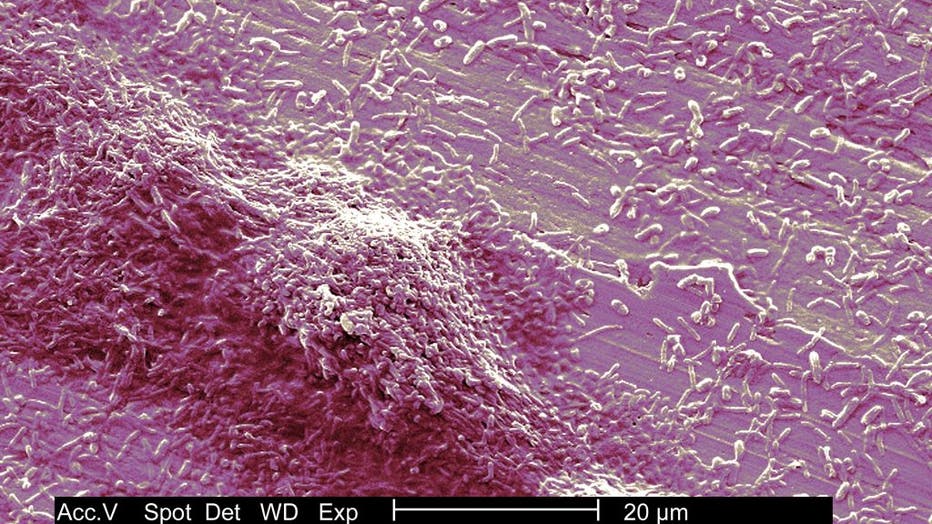
Legionella Pneumophila, Potable Water Biofilm With Legionella Pneumophila And Hartmannella Vermiformis Amoebae, SEM, Depicts Findings Uncovered During Researc Investigating Association Of Amoebae When Present With L Pneumophila Bacteria Existing On P
According to the CDC, symptoms usually begin two to ten days after exposure and include cough, shortness of breath, fever, muscle aches, and headaches. Some people may also experience diarrhea, nausea, or confusion.
Those at increased risk include adults over 50, people who smoke, individuals with chronic lung disease, and anyone with a weakened immune system or other underlying health conditions.