

How does an archbishop become a cardinal? What to know
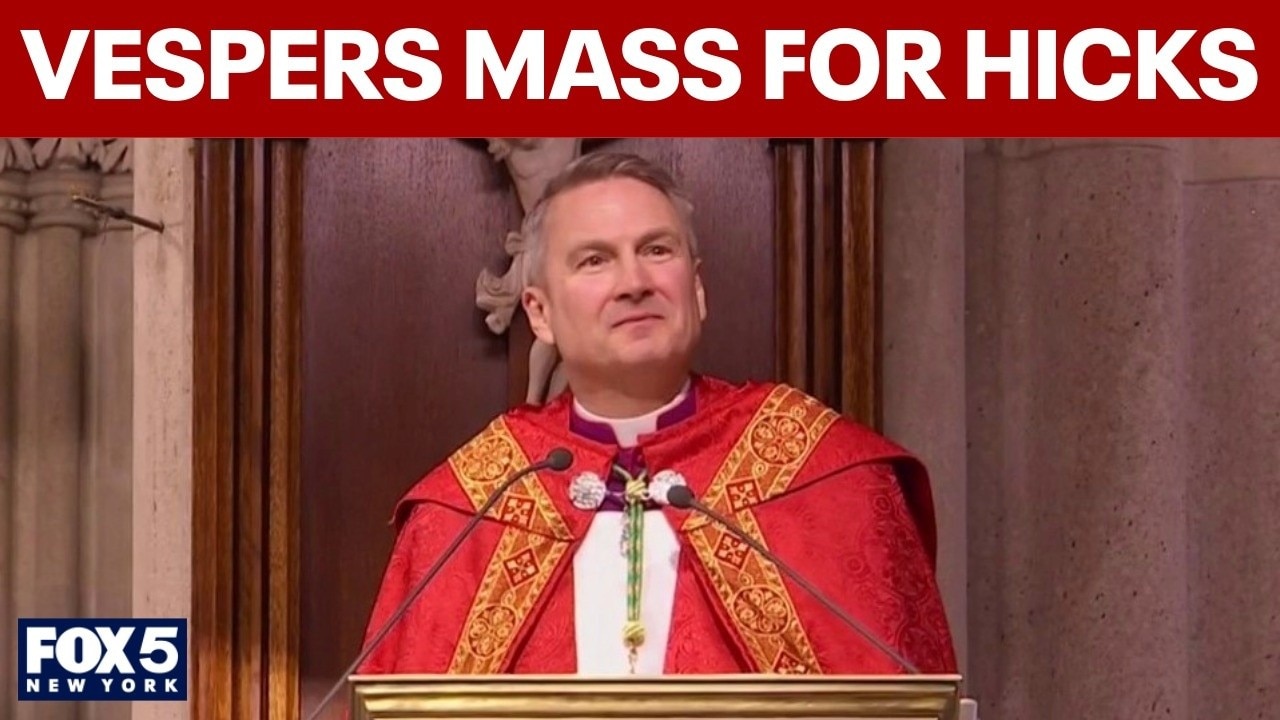
FULL: Vespers mass for Archbishop-designate Ronald Hicks
Archbishop-designate Ronald Hicks leads an evening prayer (Vespers) at St. Patrick’s Cathedral – the night before he's installed as the new Archbishop of New York.
NEW YORK - Many people wonder what it takes for an archbishop to become a cardinal — especially when a local church leader reaches a new level of Catholic hierarchy that carries global influence.
Interest in the process has grown locally because of the installation of Archbishop Ronald Hicks, a prominent Catholic leader whose elevation has prompted questions about the next steps in Church leadership. Viewers may be curious not just about his title — but about what it could mean if he or another archbishop were ever named a cardinal.
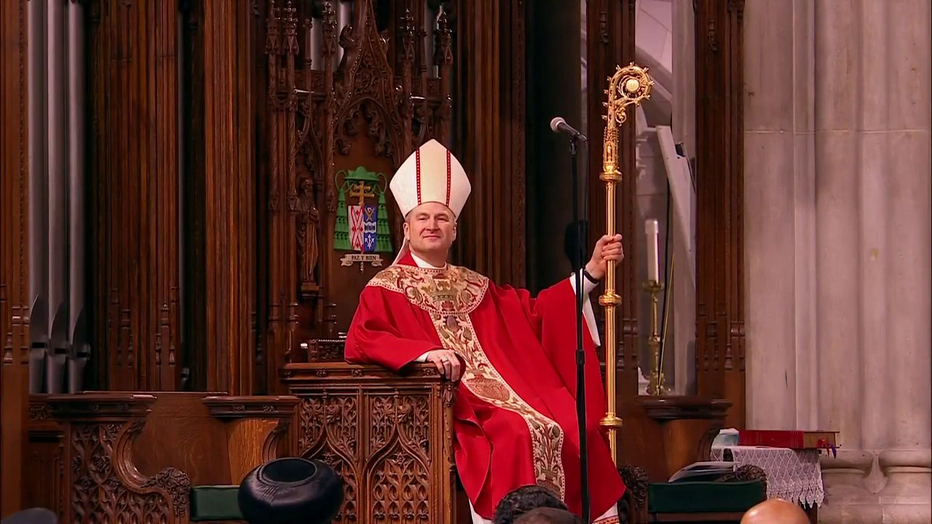
What is a cardinal?
A cardinal is one of the highest-ranking leaders in the Roman Catholic Church, just below the pope. Cardinals serve as principal advisors to the pope and, critically, are the ones who elect a new pope in a conclave when the position becomes vacant.
Not all archbishops become cardinals, but many cardinals are drawn from among the world’s archbishops because of their experience leading major dioceses.
How archbishops become cardinals
There is no election, test, or automatic promotion. According to the Catholic Church’s Code of Canon Law and experts on Church hierarchy:
- The pope makes all cardinal appointments. The pope chooses from a pool of bishops and archbishops around the world based on experience, leadership, and the strategic needs of the Church.
- There are qualifications, not guarantees. Canon law identifies that cardinals are selected from among bishops, and in practice, most are archbishops of major dioceses. They are expected to have sound doctrine, pastoral experience, and the ability to advise the pope.
- Age matters, but more for service than selection. Cardinals are generally under age 80 if they are to have the right to vote for a future pope. Canon law also encourages bishops to offer their resignation at age 75, though the pope may accept it or ask them to continue.
- There is no set timeline. An archbishop may serve for many years before being named a cardinal, or may never be named one at all. The decision rests solely with the pope.
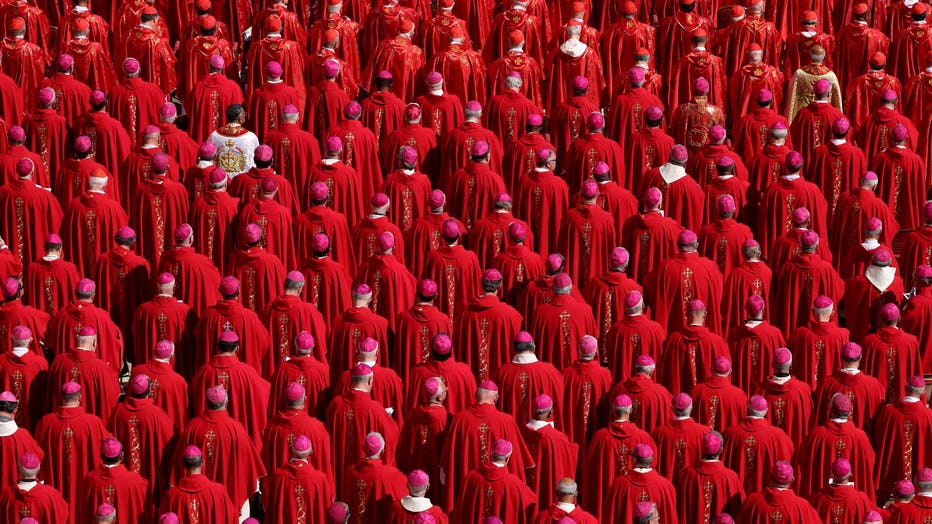
VATICAN CITY, VATICAN - APRIL 26: Cardinals attend the funeral of Pope Francis in St. Peter’s Square on April 26, 2025 in Vatican City, Vatican. Pope Francis died on April 21st at the age of 88. Born in Argentina as Jorge Mario Bergoglio, he was the
What cardinals do
Cardinals have several key responsibilities:
- Elect a new pope in a conclave if they are under age 80.
- Serve as senior advisors to the pope.
- Lead important departments (Congregations) of the Vatican.
- Represent the Church in international and ceremonial functions.
Their role is both religious and institutional, shaping leadership and policy at the highest levels.
Common misconceptions
- It’s not a promotion based on tenure or votes. There is no formal application; an archbishop does not "run" to become a cardinal.
- Not all cardinals are archbishops, but most are. A priest can technically be made a cardinal, but in practice they are almost always bishops or archbishops.
- Being a cardinal isn’t forever active. Cardinals over age 80 may still hold the title, but they cannot vote in a papal conclave.
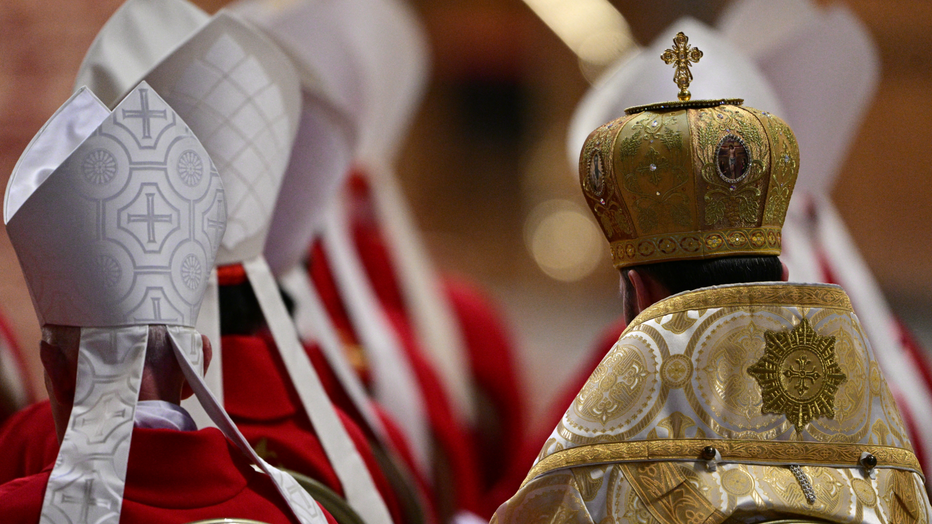
Cardinals attend the Seventh Novemdiale mass at St Peter's basilica, following the funeral of the Pope and ahead of the conclave, in The Vatican, on May 2, 2025. (Photo by Tiziana FABI / AFP) (Photo by TIZIANA FABI/AFP via Getty Images)
By the numbers:
Here are some fast facts about cardinals nationwide:
- ~120: Cardinals under age 80 who are eligible to vote in a papal conclave to elect a new pope.
- 80: The age at which cardinals lose the right to vote in a conclave, though they keep the title.
- 1: The pope — the only person who can appoint new cardinals.
- No set limit: There is no strict cap on the total number of cardinals worldwide, but Church practice traditionally keeps the number of voting cardinals around 120.
- Hundreds globally: In addition to voting cardinals, there are many senior cardinals over age 80 who continue to serve in advisory, ceremonial, or pastoral roles.
Bottom line
If you find yourself asking "How does an archbishop become a cardinal?" the answer is this: it’s a papal appointment based on leadership, service, and fit with the Church’s needs, and it has real influence in the global Catholic community, including electing future popes.
In areas with active Catholic populations, like New York, New Jersey and beyond, understanding this process helps explain why local church leadership is so closely followed and why milestones like installations resonate with the faithful.
The Source: This article was written using reporting from FOX 5 NY and official Catholic Church guidance on hierarchy and canon law.