

SNAP junk-food bans begin Aug. 31 in South Carolina and Sept. 1 in North Dakota - See other states with bans
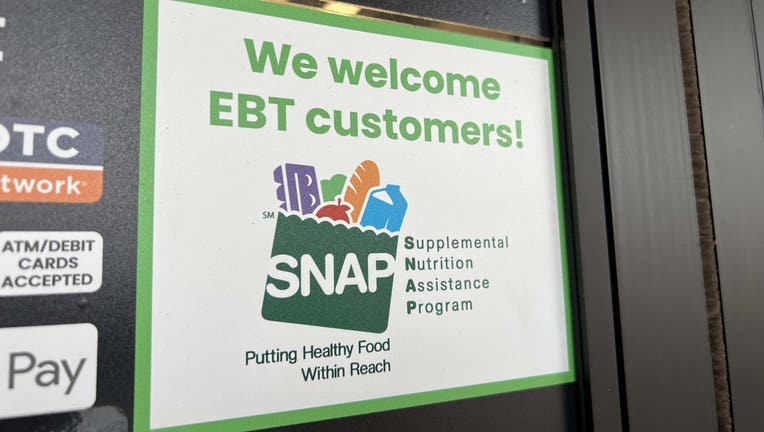
FILE - Sign at supermarket entrance with text reading We Welcome EBT customers and a SNAP logo in Lafayette, California, November 13, 2025. (Photo by Smith Collection/Gado/Getty Images)
South Carolina and North Dakota are the latest states implementing restrictions on food purchases by SNAP recipients and banning them from using their taxpayer-funded food assistance benefit to purchase junk food, joining other states too.
What we know:
South Carolina's restrictions will begin on Aug. 31 and in North Dakota they start Sept. 1. The states join Indiana, Utah, Idaho, Oklahoma, Louisiana, Texas, Florida, and Arkansas, to enact waivers prohibiting the purchase of certain foods through the Supplemental Nutrition Assistance Program, or SNAP.
The new restrictions vary by state, but most will restrict the purchase of soda, energy drinks, and candy.
Montana, Ohio, and Virginia will also be implementing restrictions this year.
Wyoming, Kansas, Missouri, and Hawaii will be implementing restrictions in 2027 and Nevada in 2028.
Five other states – Colorado, Iowa, Nebraska, Tennessee, and West Virginia — were planning to implement new regulations, but those plans were put on hold June 22 when U.S. District Judge Amy Berman Jackson vacated the USDA’s approval of the pilot program, allowing those states to test their restrictions, siding with plaintiffs from the states who argued the restrictions would undermine their access to food.
In her ruling, U.S. District Judge Amy Berman Jackson said the U.S. Department of Agriculture (USDA) lacked the authority under federal law to approve state requests to bar SNAP recipients from using benefits to buy sugary foods and drinks.
States with SNAP junk food purchase bans
The Trump administration’s Make America Healthy Again (MAHA) initiative
Dig deeper:
The banning of junk food from SNAP purchases is part of the Trump administration’s Make America Healthy Again (MAHA) initiative. Agriculture Secretary Brooke Rollins and Health and Human Services Secretary Robert F. Kennedy Jr. have endorsed the waivers as part of the MAHA movement.
USDA says it is empowering states with more flexibility to manage their SNAP programs by approving food restriction waivers that restrict the purchase of non-nutritious items like soda and candy.
What they're saying:
At USDA, we play a key role in supporting Americans who fall on hard times, and that commitment does not change. Rather, these state waivers promote healthier options for families in need," said Secretary Rollins in a release.
"For years, SNAP has used taxpayer dollars to fund soda and candy—products that fuel America’s diabetes and chronic disease epidemics," said HHS Secretary Kennedy in a release. "These waivers help put real food back at the center of the program and empower states to lead the charge in protecting public health. I thank these governors who have stepped up to request waivers, and I encourage others to follow their lead. This is how we Make America Healthy Again."
RELATED: SNAP: See the overpayment and underpayment rates for benefits in every state
RELATED: New SNAP requirements now in effect, USDA planning major overhaul of program
RELATED: More SNAP recipients face work requirements: What to know
SNAP recipients by state
By the numbers:
The U.S. Department of Agriculture (USDA) Food and Nutrition Service (FNS) oversees the SNAP program, which in fiscal year 2024 cost just over $100 billion, providing an average of $190.59 a month per person to over 42 million people.
The federal government sends SNAP funds to states which administer applications and determine eligibility based on federal guidelines. Benefits are loaded on prepaid cards through the Electronic Benefit Transfer (EBT) system and beneficiaries use the cards at stores to pay for their groceries.
The Source: Information in this article was provided by the US Department of Agriculture and previous FOX Television Stations reporting. This story was reported from Orlando.