

Skipping the vitamin K shot puts newborns at risk of severe bleeds: study
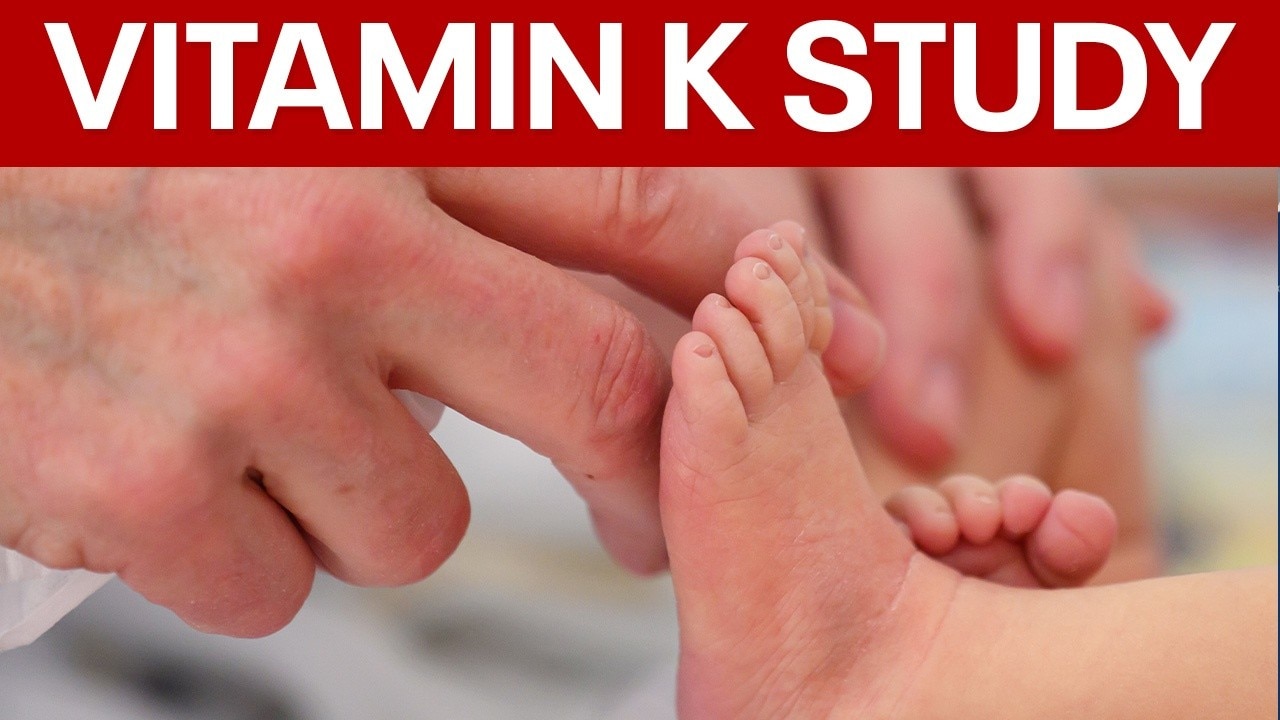
Newborns at risk of severe bleeds from skipping Vitamin K shots, study says
A new study is revealing the potential bleeding risks associated with newborn babies not getting Vitamin K shots.
Deciding whether to give your newborn a vitamin K shot right after birth has become a growing topic of debate, as more new parents choose to opt out.
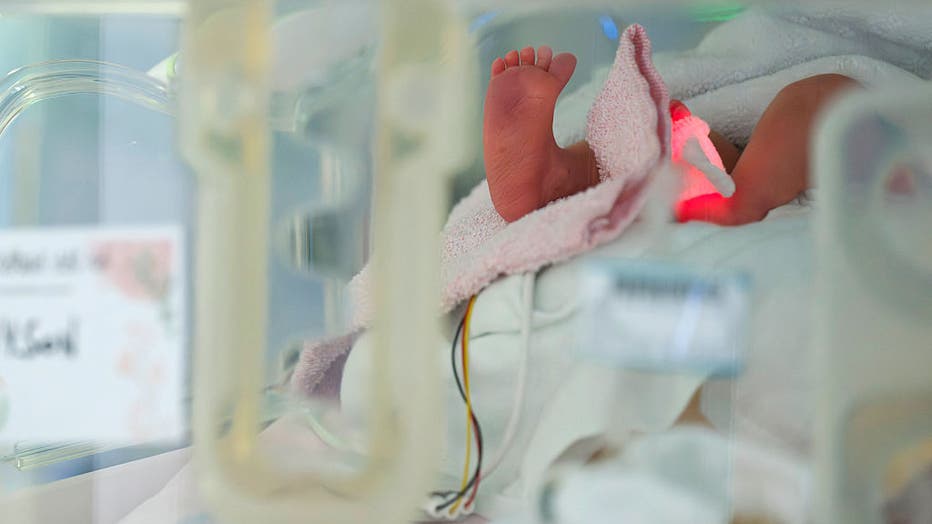
The foot of a premature baby in an incubator is seen in the neonatal emergency department at the Nancy University Hospital maternity in Nancy, northeastern France, on October 2, 2025. (Photo by Jean-Christophe VERHAEGEN / AFP via Getty Images)
What we know:
To understand the real-world impact of this shift, a massive new study published in the Journal of the American Medical Association (JAMA) looked at the health records of over 5.2 million infants born in the United States between 2017 and 2025.
The study found that the number of parents refusing the newborn injection more than doubled in just eight years, jumping from 3.1% in 2017 to 6.8% in 2025.
Why the sudden change? Researchers note that many parents who decline the shot do so out of "concern," including fear of causing the baby pain, worries about the ingredients in the shot, or a desire to take a more "natural" approach to their baby’s first days.
Study finds higher levels of everyday chemicals in baby teeth of kids with autism
A pilot study from The University of Texas at San Antonio Health Science Center found higher levels of several potentially harmful chemicals in the primary teeth of children with autism compared with children without autism.
Why babies need vitamin K
Why you should care:
Experts say vitamin K is essential for normal blood clotting, but newborns are born with a unique biological disadvantage:
- Vitamin K does not easily pass through the placenta during pregnancy, meaning babies are born with critically low reserves.
- Breast milk contains very low levels of vitamin K, and even formula-fed babies have a hard time absorbing it at first.
Without enough of this vital nutrient, babies are at risk for a rare but serious condition called Vitamin K Deficiency Bleeding (VKDB). This condition can cause spontaneous bleeding in the stomach, intestines, or even the brain.
NJ among most expensive states to have a baby: Here's how much it costs
Some recent surveys revealed that New York and New Jersey are two of the most expensive states in the country when it comes to giving birth.
The risks
Dig deeper:
The study compared babies who received the shot to those who didn't, which revealed several risks.
- Bleeding risk: Infants who skipped the vitamin K shot were significantly more likely to experience a bleeding event in their first six months of life (288 out of 10,000 babies, compared to 186 out of 10,000 for those who got the shot).
- Brain bleeds: The most dangerous form of VKDB involves intracranial bleeding (bleeding in the brain). The study found that babies without the shot were more than twice as likely to suffer from brain bleeds (33 out of 10,000 vs. 13.2 out of 10,000).
- Fatalities: The risk of an infant dying with a concurrent bleeding diagnosis during their birth hospitalization was nearly three times higher for those who did not receive the injection.
The researchers calculated that for every 114 parents who refuse the shot, one additional baby will suffer a bleeding event in their first six months of life.
The Source: Information from this article was sourced from the "Nonreceipt of Newborn Vitamin K and Risk of Bleeding" study published in the Journal of the American Medical Association.