

Study suggest that more education could lower dementia risk
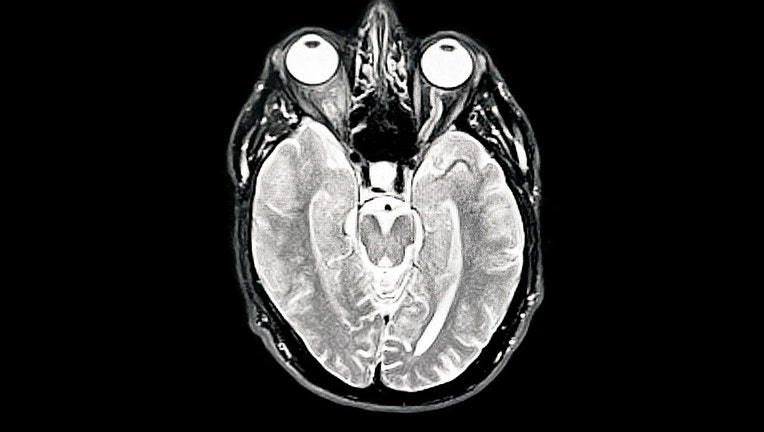
FILE-An MIR scan of the photographers brain showing early Dementia/Alzheimer's on May 30, 2025 in London, England. (Photo by Peter Dazeley/Getty Images)
Scientists are taking a closer look at how pursuing further education may help reduce an individual’s risk of dementia.
One of the symptoms of dementia is a gradual decline in thinking and memory, and although some medication can slow the progression of it, there are no treatments to stop or reverse the condition.
Scientists assess extra education and lower dementia risk
Dig deeper:
A National Institutes of Health-funded research team led by Dr. Silvia Barcellos at the University of Wisconsin–Madison examined in a study whether an extra year of school was linked to a decline in dementia cases later in life.
To gather data, researchers assessed the medical records of over 100,000 people in a United Kingdom database. Data for the study was published in the Proceedings of the National Academy of Sciences on Oct. 23, 2026.
The team reviewed dementia diagnoses through December 2022, when the oldest study participant impacted turned 65 years old.
RELATED: 7 new dementia risk factors revealed — including one millions struggle with
Scientists determined that an extra year of required schooling made a difference. Students impacted by education reform had fewer cases of dementia than those unaffected by it.
The biggest decline was among participants with a high genetic risk of dementia and infers that on average, completing extra years of education might help neutralize the higher risk of dementia based on a person's genetic vulnerability.
Researchers in the study also imply that interventions like increased schooling can affect the risk of dementia much later in life.
Furthermore, the group concluded in their report that they are uncertain whether education lowers the risk of dementia beyond 65 years old. The team added that it plans to continue to follow study participants as they age to learn whether the dementia reductions continue.
What is Dementia?
Why you should care:
Dementia is a condition that impacts memory, thinking and the ability to perform daily activities. It can be caused by many different diseases that damage the brain, according to the World Health Organization.
The health agency explains that dementia worsens gradually. Although more common after age 65, it is not an inevitable part of aging. Factors that elevate the risk of developing dementia include the following:
- Health conditions such as high blood pressure (hypertension), high blood sugar (diabetes), being overweight or obese, depression, vision and hearing loss, poor sleep, traumatic brain injury and stroke;
- Lifestyle factors like smoking tobacco, harmful alcohol use, physical inactivity, social isolation, and low educational attainment; and
- Environmental factors such as air pollution.
The Source: Information for this story was provided by the National Institutes of Health, which cites a study published in the Proceedings of the National Academy of Sciences and the World Health Organization. This story was reported from Washington, D.C.