

CDC study warns threat of deadly mold infections may be underestimated
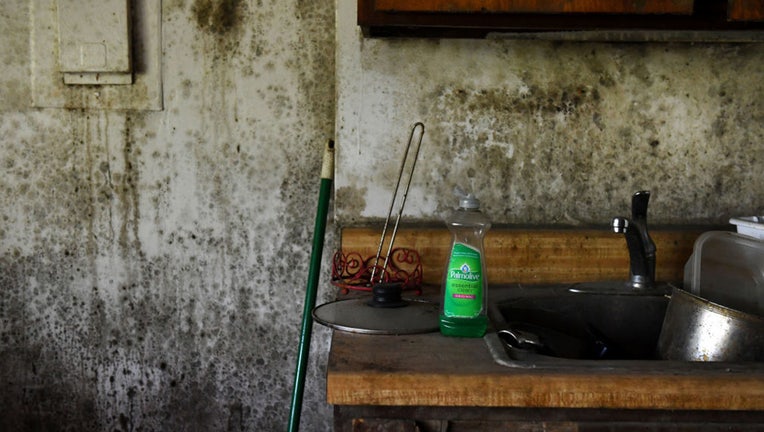
FILE - Water damage has created a mold issue in several apartments at Greenleaf Gardens July 01, 2019 in Washington, DC. (Photo by Katherine Frey/The Washington Post via Getty Images)
A new study suggests the threat of mold-associated illnesses may be severely underestimated.
The findings, published this week by the U.S. Centers for Disease Control and Prevention, come from an attempt to better gauge how common these kinds of illnesses are.
The government does not require doctors to report the illnesses.
Researchers detected about 450 cases in Atlanta-area hospitals over five years. About a third of the patients died in the hospital.
What they're saying:
"It's kind of the first time we've had an estimate like this," said the CDC's Dr. Jeremy Gold, the study's senior author.
Why you should care:
Researchers stressed that it’s important to understand these estimates now because the problem may grow in the future.
Mold exposure is a recurring problem in the wake of hurricanes, floods and other natural disasters influenced by climate change, researchers have found.
Dig deeper:
Invasive mold diseases are rare infections caused by certain species.
The most common way people get infected is by inhaling the mold spores.
The more uncommon ways people become infected include the spores entering the body through cuts or wounds or from contaminated medical equipment.
The spores don't cause health problems for most people, but they can be life-threatening to some, including the elderly, cancer patients and others with weakened immune systems.
Previously, CDC researchers estimated more than 15,000 hospitalizations a year could be tied to invasive mold disease.
Local perspective:
Researchers worked with four Atlanta-area hospitals and their affiliated outpatient clinics during this study to look for potential cases from 2020 to 2024.
They initially identified nearly 1,000 potential cases, but narrowed the number down to about 450 by ruling out patients who may have had signs of exposure but didn't qualify as having invasive mold disease.
The researchers found that hospitals can expect to see 3 to 5 cases per year for every 100 inpatient beds. The rates were higher at larger academic hospitals that tend to see more complicated illnesses.
Most patients had impaired immune systems or — in a number of cases — were weakened after falling sick from COVID-19.
What's next:
It's hard to generalize what was seen in the Atlanta area to other parts of the country where mold may be more or less of a problem, researchers said.
But it should give hospital administrators at least a rough idea about whether the number of cases they see is what might be expected or whether it's an outbreak.
The Source: Information for this article was taken from The Associated Press and the U.S. Centers for Disease Control and Prevention.