

What to know about kratom after Ole Miss student deaths
What to know about kratom after Ole Miss student deaths
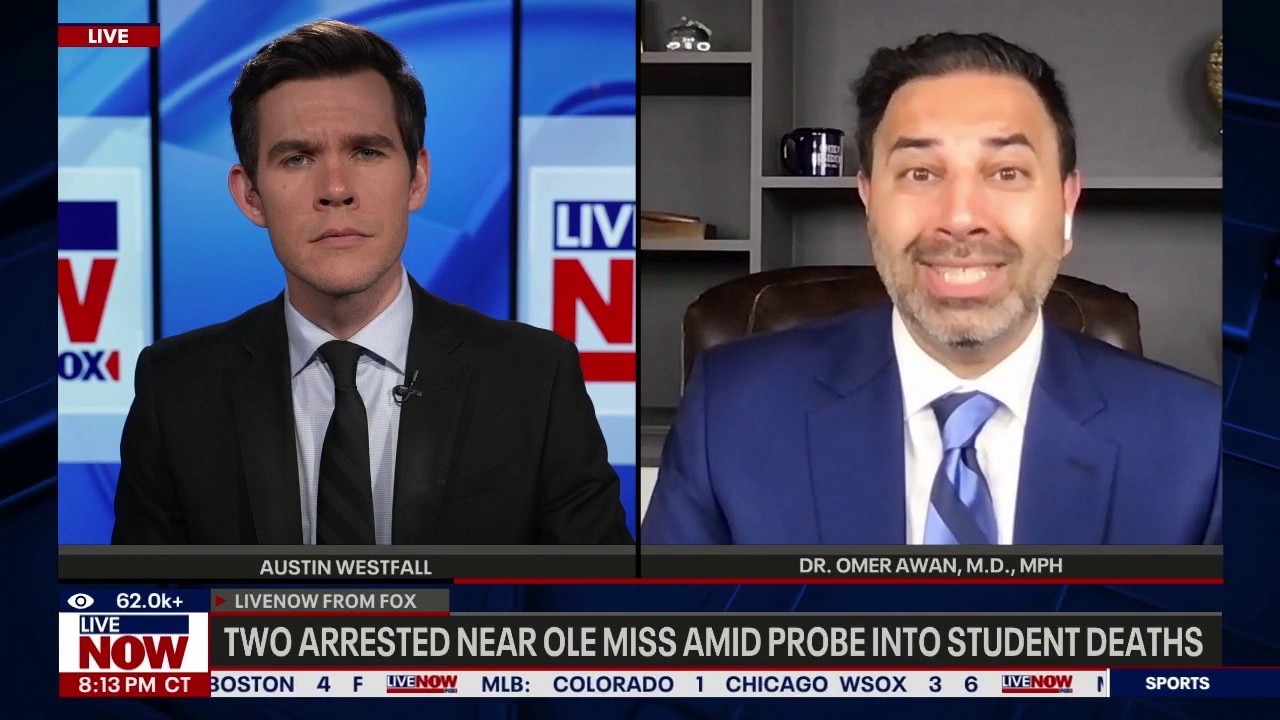
Physician Dr. Omer Awan joins LiveNOW's Austin Westfall to dive into what kratom is after the substance was found packaged near the bodies of two students at Ole Miss this week.
The deaths of two University of Mississippi students have brought kratom back into the spotlight, despite no confirmation yet that the substance was a contributing factor in their deaths.
Here’s what to know about kratom as the investigation continues:
Ole Miss student deaths
The backstory:
Police in Mississippi say they’re still investigating after two University of Mississippi students were found dead Monday afternoon. The students were found in different locations, one on campus and the other off campus, a university spokesperson said.
They were later identified as Aidan Hamilton, a freshman from Englewood, Colorado, and Robert Strang, a junior from Atlanta.
MORE: Ole Miss confirms 2 students died after bodies found near kratom packages
Authorities said they had no evidence the deaths were connected, but noted that kratom was found at both scenes and it was sold at a retail store.
What's next:
Two state agencies are working to expedite toxicology reports for the students, Mississippi Gov. Tate Reeves said in a statement Wednesday.
"Mississippi is praying for the families and friends of the two Ole Miss students during this incredibly difficult time," Reeves said.
Although there’s no confirmation that kratom played a role in their deaths, a state drug task force urged people to avoid taking kratom.
"Out of an abundance of caution, we encourage everyone to avoid kratom and any other medication or substance that was not prescribed to you or obtained from a trusted, regulated source," the task force’s news release said.
What is kratom?
Big picture view:
Dr. Omer Awan, a radiologist and senior public health contributor for Forbes, said kratom is a plant-based extract that can have varying effects depending on the dose: at low doses it can act as a stimulant, and at higher doses it can act as a sedative.
He said people take it for pain relief, to boost their mood and sometimes to treat opiate withdrawal because of its opioid-like effects.
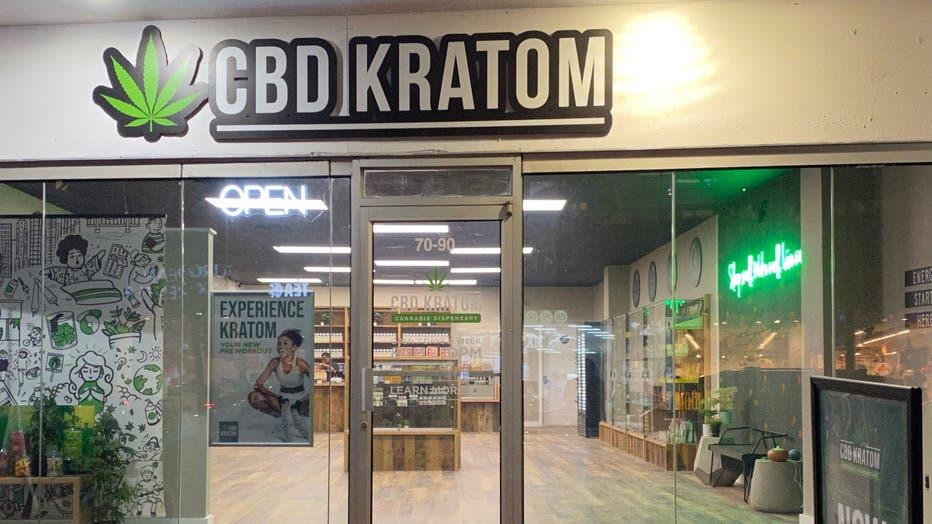
Kratom is back in the spotlight after the deaths of two University of Mississippi students. (Photo by: Lindsey Nicholson/UCG/Universal Images Group via Getty Images)
The Food and Drug Administration has not approved kratom for any medical use. The unregulated products are available at retail stores, gas stations and online. They come in powder form, liquid form, capsules, gummies, "all sorts of different forms," Awan said in an interview with LiveNow from FOX.
Why is kratom dangerous?
Dig deeper:
As a stimulant, kratom can increase your heart rate and blood pressure, but as a sedative it can slow your breathing and coordination, Awan explained.
Because it’s not regulated by the FDA, people never really know the concentration of kratom they’re getting when they buy it.
RELATED: Kratom poisonings spikes, what you need to know about the herbal drug
"Some can have very small amounts; some can have very large amounts, and we often don’t know," Awan said. "It makes it very difficult to regulate in the market."
By the numbers:
According to data from the Centers for Disease Control and Prevention, in 2015, there were roughly 250 cases of kratom poisoning. In 2025, that number rose to about 3,400 – a 1,200% increase, Awan said.
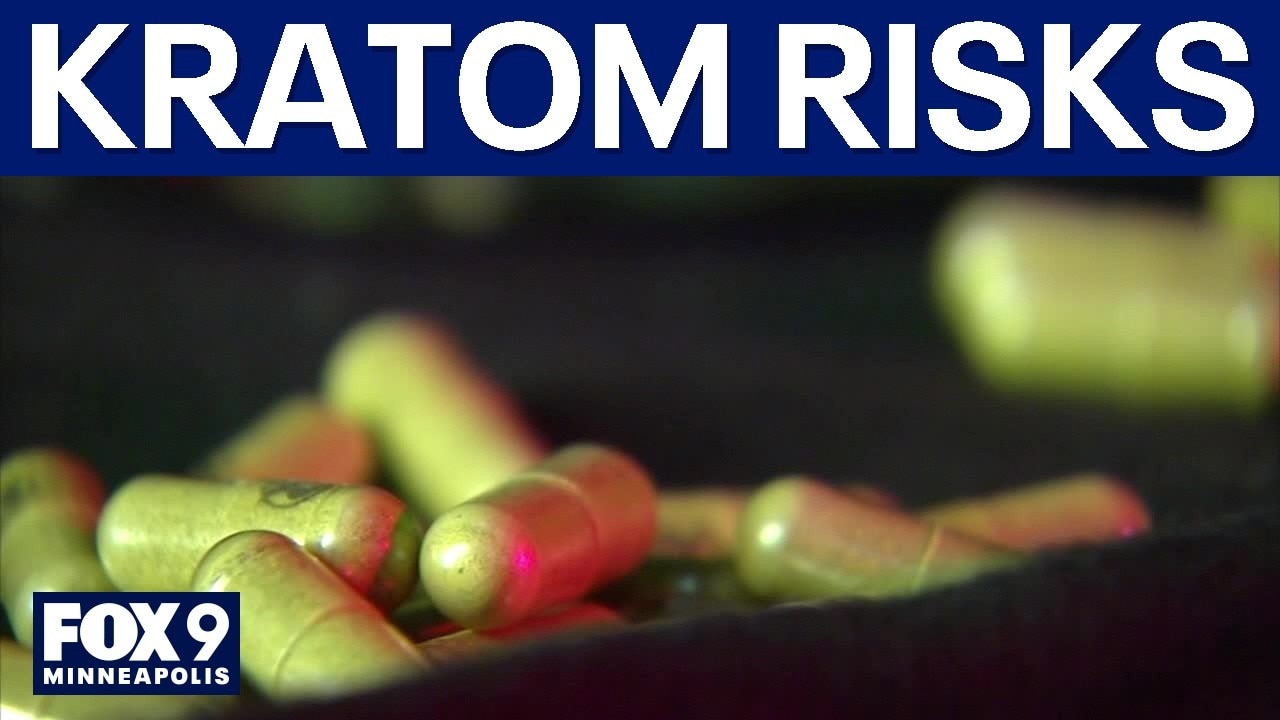
What is Kratom, and what are the risks?
Dr. Alta Deroo of the Hazelden Betty Ford Clinic joined FOX 9 All Day to discuss Kratom and the risks associated with this drug. There is a bill at the Minnesota Capitol to increase the age to buy Kratom to 21 years old. Some states have banned the sale of the drug altogether.
Is kratom legal?
Local perspective:
Kratom is legal at the federal level, but some state and local governments prohibit it. At least nine U.S. states fully ban kratom, according to the Global Kratom Coalition: Alabama, Arkansas, Indiana, Louisiana, Vermont, Wisconsin, Connecticut, Tennessee and Vermont. Many other states regulate kratom under the Kratom Consumer Protection Act.
"This inconsistency at the state level can be very challenging to regulate it," Awan said.
The Source: This article includes information from Dr. Omer Awan, The Associated Press, the Global Kratom Coalition and previous FOX Local reporting.