

New USDA rule could force thousands of convenience stores to stop accepting food stamps
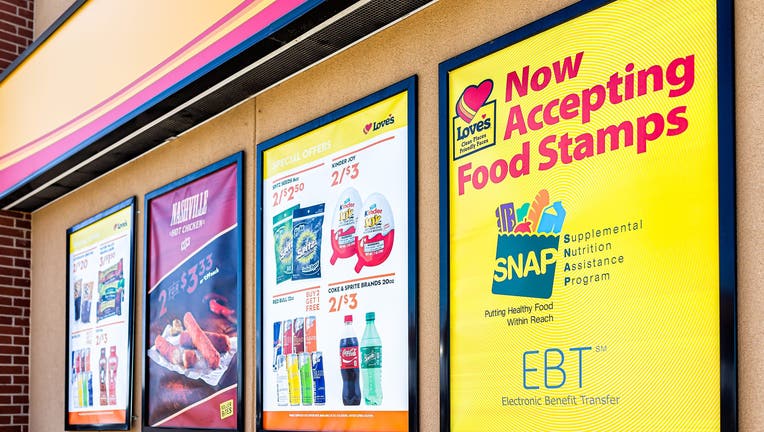
Love's gas station and sign on building exterior entrance in Missouri with convenience store closeup for food stamps (Getty Images)
Thousands of convenience stores in the U.S. could have to stop accepting food stamps unless the federal government delays a new rule requiring them to carry more fresh produce and protein.
Nearly 250 stores sent a letter to Agriculture Secretary Brooke Rollins this week, asking for more guidance on how to meet the new standards, Reuters reports.
What’s the new food stamps rule for convenience stores?
Big picture view:
In May, the U.S. Department of Agriculture issued a final rule requiring grocers that accept Supplemental Nutrition Assistance Program benefits, also known as SNAP or food stamps, to offer at least seven varieties of each of four main food groups: dairy, vegetables or fruits, grains and protein.
RELATED: USDA: SNAP enrollment drops by 5.3 million following new work rules - State-by-state breakdown
Stores that don’t meet the new requirements will no longer be allowed to accept SNAP.
By the numbers:
More than 117,000 convenience stores participate in SNAP, retailers said in the letter, per Reuters. That’s nearly half of all stores that accept SNAP benefits. The letter was signed by owners of major chains, including 7-Eleven, Wawa, Sheetz and RaceTrac, along with smaller store operators.
What they're saying:
In the letter sent to Rollins, the National Association of Convenience Stores, National Association of Truck Stop Owners and SIGMA: America’s Leading Fuel Marketers all say they haven’t been given enough guidance on how to implement the new standards. Retailers are asking the USDA to issue more guidance and delay enforcement for six months so they can source the new products and restock store shelves.
The other side:
A USDA spokesperson told Reuters it "appreciates hearing from these trade associations and stands by to aid their member companies as they work to stock 28 varieties of staple food items."
The Source: This report includes information from Reuters.